Cultural Historian Curates Major Museum Retrospective of Local Artists
Groundbreaking Exhibition Features 75 Regional Artists Spanning 50 Years, Offering First Comprehensive Survey of the Area’s Overlooked Cultural Contributions
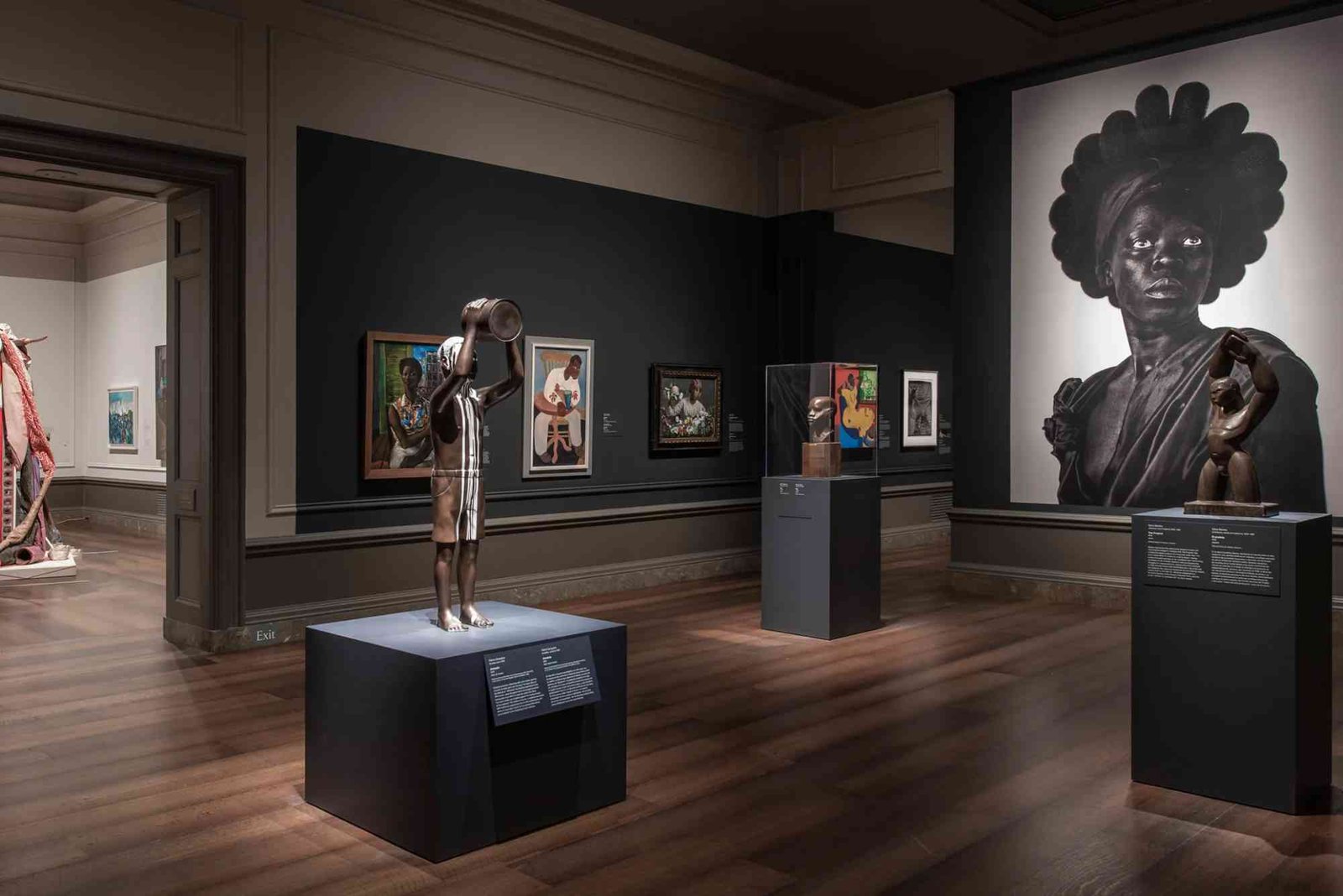
MINNEAPOLIS – January 15, 2025 – The Minneapolis Institute of Art (Mia) announced today that Dr. Elena Vasquez, a distinguished cultural historian specializing in American regional art movements, will curate “Between Two Rivers: The Upper Midwest Art Tradition, 1970-2020,” the first major museum retrospective dedicated exclusively to artists from Minnesota, Wisconsin, North Dakota and Iowa. The exhibition, opening September 12, 2025, will occupy 15,000 square feet across five galleries and feature more than 200 works from 75 artists, many of whom have never been shown in a museum setting.


The exhibition arrives as museums nationwide seek innovative strategies to rebuild post-pandemic audiences. According to IBISWorld’s 2025 museum industry analysis, only 50 percent of U.S. museums have returned to pre-pandemic attendance levels, with average visitor traffic remaining at 80 percent of 2019 figures—a shortfall that has prompted institutions to prioritize exhibitions with strong community connection and regional identity. This data underscores the strategic importance of locally-focused programming in an era of continued financial pressure and volatile funding streams.
Dr. Vasquez spent three years conducting archival research in rural studio barns, university special collections and family estates to assemble the exhibition, which argues that the Upper Midwest developed a distinct aesthetic vocabulary shaped by agricultural cycles, extreme climate and immigrant artisan traditions. Featured artists include printmaker Luisa Oaxaca-Zamora, known for her 1980s linocuts documenting migrant worker conditions in southern Minnesota; sculptor James “Jimmy” Redfeather, whose welded-steel installations reinterpret Ojibwe cosmology; and the late ceramicist Margaret Olson, whose 1970s functional pottery became a regional sensation through her co-op distribution network.
“Regional art movements have been systematically underrepresented in canonical art history,” said Dr. Vasquez. “This exhibition demonstrates how artists working far from coastal centers developed sophisticated responses to national movements like minimalism and conceptual art while maintaining deep roots in their communities. The Upper Midwest wasn’t just influenced by New York and Los Angeles—it was in active dialogue with them on its own terms.”
The economic impact of such exhibitions extends beyond museum walls. The National Endowment for the Arts reported in 2024 that arts and cultural production contributed $1.1 trillion to the U.S. economy in 2022, representing 4.3 percent of GDP. Research shows that exhibitions featuring local artists generate 40 percent higher visitor spending at nearby restaurants and retailers compared to traveling blockbusters, as attendees incorporate hometown pride into their cultural engagement. Mia anticipates drawing 45,000 visitors during the exhibition’s four-month run, with a projected $2.1 million economic ripple effect in the Twin Cities metro area.
The museum will complement the exhibition with an extensive public programming slate, including panel discussions with surviving artists, community quilting circles demonstrating traditional Hmong textile techniques, and a digital archive making 10,000 previously unpublished images of regional art available to researchers. Educational outreach will reach 15,000 local students through curriculum integration and subsidized field trips.
“Dr. Vasquez’s scholarship provides the rigorous intellectual framework we need to tell this story authentically,” said Katherine L. Hession, Mia’s Director and CEO. “This isn’t boosterism—it’s a long-overdue correction to a narrative that has ignored how America’s artistic identity was built from the ground up in places like Duluth and Des Moines. At a time when museums must prove their essential value, exhibitions like this demonstrate that we’re not just preserving culture, we’re preserving your culture.”
The exhibition catalog, published by University of Minnesota Press, will feature 15 newly commissioned essays by emerging scholars and become the first textbook dedicated to Upper Midwest art history. Major funding comes from the Andrew W. Mellon Foundation, the National Endowment for the Humanities, and the McKnight Foundation, with additional support from 200 individual donors representing every county in the exhibition’s geographic scope.
About Minneapolis Institute of Art
The Minneapolis Institute of Art (Mia) is one of the leading comprehensive art museums in the United States, serving over 500,000 visitors annually. Founded in 1883, Mia’s collection of more than 90,000 objects spans 5,000 years of world history. The museum is committed to equity and inclusion, offering free general admission and a robust schedule of exhibitions, programming and community engagement initiatives that reflect the diversity of its audiences. For more information, visit artsmia.org.
Media Contact
Sarha Al-Mansoori
Director of Corporate Communications
G42
Email: media@g42.ai
Phone: +971 2555 0100
Website: www.g42.ai