Multilateral Bank Issues Largest Ever Loan for Grid-Scale Battery Storage
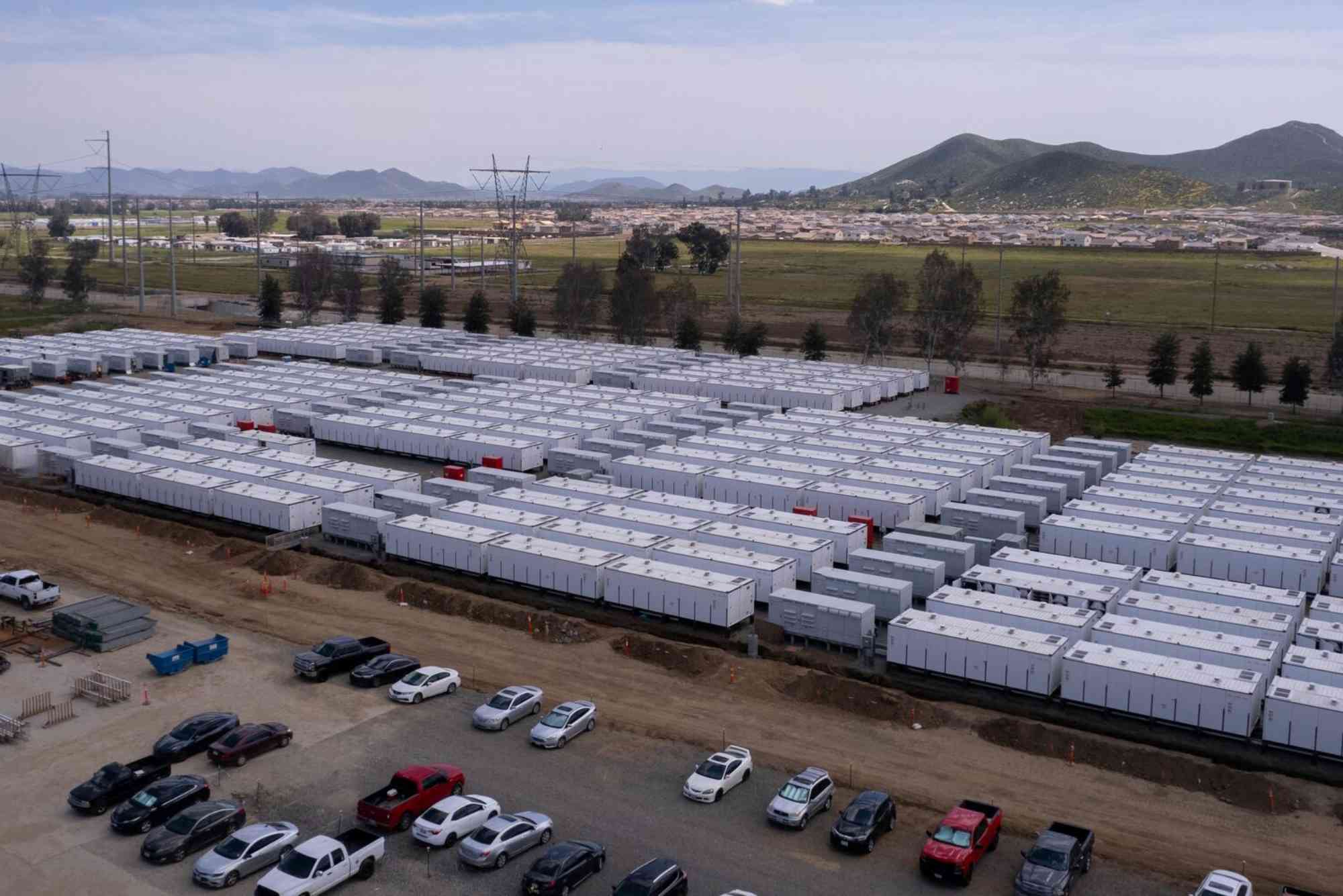
MANILA, Philippines, November 20, 2025 — The Asian Development Bank (ADB) today announced a landmark $1.2 billion financing package—the largest single loan ever dedicated exclusively to grid-scale battery energy storage systems (BESS)—to accelerate renewable energy integration and grid stability across five Southeast Asian nations. The initiative will fund deployment of over 2 gigawatts (GW) of battery storage capacity by 2028, directly supporting the region’s transition from fossil fuel peaker plants to clean energy reserves.
The facility structures $900 million in long-term senior debt from ADB’s ordinary capital resources, complemented by $300 million in concessional financing from the bank-managed Climate Investment Funds. Projects in Vietnam, Indonesia, Thailand, Philippines, and Malaysia will receive tiered financing based on market maturity and regulatory frameworks. Each installation will range from 100 to 500 megawatts (MW) with storage durations of two to four hours, enabling grid operators to store excess solar and wind generation for dispatch during peak evening demand periods.


The financing addresses a critical bottleneck in global decarbonization efforts. According to the International Renewable Energy Agency (IRENA), global battery storage capacity reached just 85 gigawatts by the end of 2023 but must expand to 1,200 gigawatts by 2030 to meet net-zero emissions targets—a fourteenfold increase requiring unprecedented capital deployment. IRENA analysis shows that storage projects remain risky investments due to high upfront costs, uncertain revenue streams, and limited operational track records in emerging markets, creating an urgent need for multilateral support to de-risk transactions and attract institutional capital.
The ADB facility explicitly targets projects co-located with utility-scale solar and wind farms, solving the intermittency challenge that has constrained renewable energy growth in the region. Technical specifications require participating developers to deploy lithium iron phosphate (LFP) battery systems with round-trip efficiencies exceeding 85 percent and 20-year operational lifespans. The program is projected to facilitate integration of an additional 12 GW of renewable generation capacity that would otherwise be curtailed due to grid constraints, while reducing carbon dioxide emissions by approximately 8 million metric tons annually once fully operational.
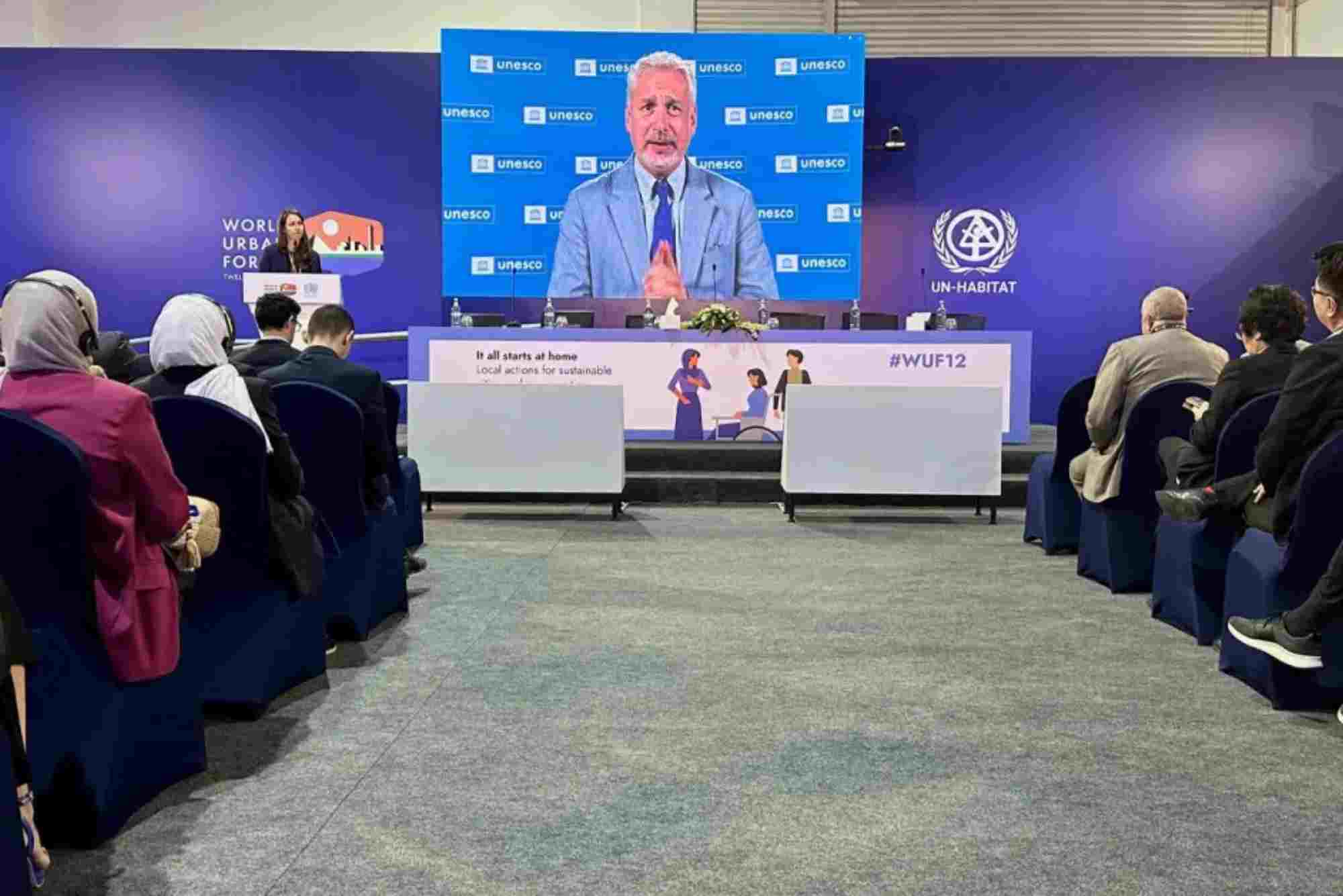
“This isn’t just about building batteries—it’s about rebuilding energy security architecture for developing economies,” said David W. Kalin, ADB’s Director General for Climate Action and Sustainable Development. “By providing long-tenor, low-cost debt with built-in technology risk guarantees, we’re essentially creating a template that private commercial banks can replicate. The $1.2 billion we’re deploying today is designed to catalyze an additional $8 to $12 billion in private sector co-financing over the next three years.”
The loan structure incorporates performance-based tranches tied to grid reliability metrics rather than traditional revenue benchmarks, acknowledging that many emerging market utilities lack sophisticated ancillary service markets. This innovative approach, developed through ADB’s 2024 technical assistance program with the Global Energy Alliance for People and Planet, includes standardized power purchase agreement templates and insurance wrap mechanisms for battery performance warranties—addressing key barriers that have limited institutional investor participation.
The announcement comes as multilateral development banks collectively delivered a record $137 billion in climate finance in fiscal year 2024, according to joint reporting released in September. However, energy storage has historically represented less than 3 percent of that total. This facility signals a strategic pivot toward system flexibility investments necessary to achieve the 2030 targets established under the Paris Agreement. Early procurement documents indicate that projects in Vietnam and Indonesia will be prioritized, with financial close expected on the first two transactions by mid-2026.
About the Asian Development Bank
ADB is committed to achieving a prosperous, inclusive, resilient, and sustainable Asia and the Pacific, while sustaining its efforts to eradicate extreme poverty. Established in 1966, it is owned by 68 members—49 from the region. In 2024, ADB provided $23.6 billion in climate finance across its operations and aims to align 100 percent of its lending with the Paris Agreement by July 2026.
Media Contact:
Sarha Al-Mansoori
Director of Corporate Communications
G42
Email: media@g42.ai
Phone: +971 2555 0100
Website:www.g42.ai