FOR IMMEDIATE RELEASE
AirGradient Debuts $149 Open-Source Air-Quality Monitor for U.S. Classrooms, Aiming to Close the “Data Gap” That Puts 30 Million Students at Risk
Subscription-free device ships with lesson plans and a live dashboard already piloted in 1,200 schools overseas
SAN FRANCISCO – November 22, 2025
AirGradient Inc., a Singapore- and California-based sensor developer, today launched the AirGradient EDU-One, a palm-sized indoor air-quality (IAQ) monitor priced at $149—roughly one-tenth the cost of federal-grade instruments—specifically engineered for K-12 schools. The Wi-Fi-enabled unit measures PM2.5, CO₂, TVOCs, temperature and humidity every 30 seconds and streams encrypted data to a GDPR-compliant dashboard that can be viewed by teachers, nurses and district facilities staff.
“We built EDU-One because no parent should wonder if the air their child breathes in math class is safe,” said Achim Haug, AirGradient’s co-founder and CEO. “By open-sourcing the hardware and offering a zero-subscription model, districts can finally deploy dense sensor networks instead of gambling on a single $3,000 reference monitor per building.”
The release coincides with new CDC-funded research showing that student absence rates fall 7–10 % when classrooms keep PM2.5 below 12 µg/m³ and CO₂ under 800 ppm—targets met less than 40 % of the time in U.S. schools, according to a 2024 Lawrence Berkeley National Laboratory meta-study of 4,500 classrooms .
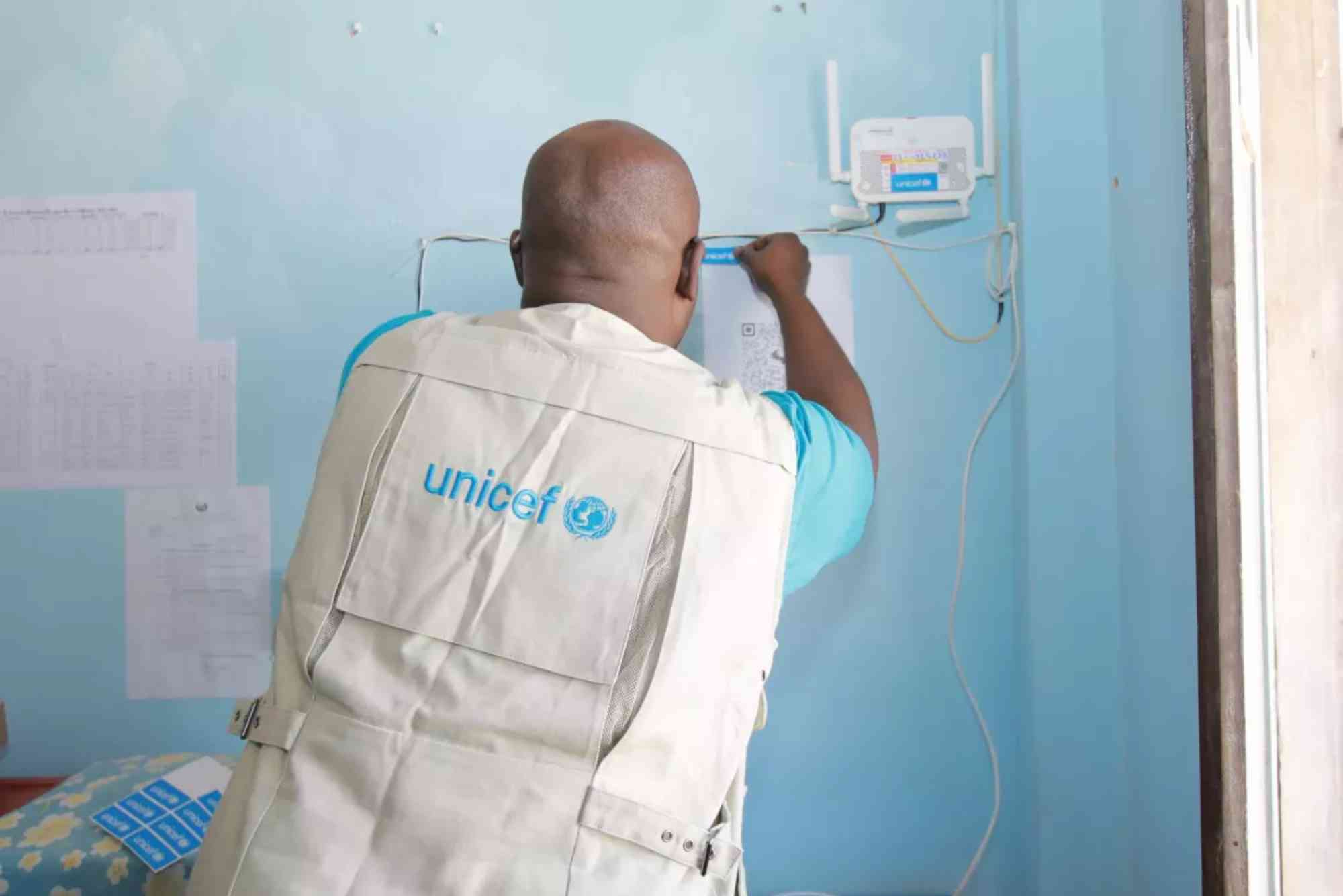
AirGradient’s move enters a market suddenly crowded after IQAir’s Schools4Earth pledge in February to donate 10,000 monitors worldwide and UNICEF’s rollout of sensors across 148 Lao schools this year . Yet company officials argue those programs rely on philanthropy, while EDU-One is the first commercial unit priced within discretionary school budgets without lock-in software fees.
“A medium-size district can now blanket every classroom for under $50 k—less than the cost of two portable HEPA units,” Haug noted.
Early adopters include Nevada’s Washoe County School District, where 220 devices are being installed ahead of winter wildfire season, and Oxford, Mississippi public schools, which used a state energy-savings grant to fund a 120-sensor pilot that will inform HVAC upgrades slated for summer 2026.
Independent validation is already under way: the University of Colorado Boulder is comparing EDU-One data against TSI DustTrak reference instruments in a double-blind study funded by the EPA’s STAR grant program; preliminary results released last month show ±15 % accuracy for PM2.5 and ±50 ppm for CO₂—performance sufficient for ASHRAE 241 “clean air” credits that districts can trade for utility rebates .
Market timing appears favorable. The U.S. Government Accountability Office estimates that 54 % of public-school facilities have at least one building system in “fair or poor” condition, while $50 billion in remaining ESSER III funds must be obligated by September 2026. AirGradient positions its monitor as ESSER-eligible infrastructure because it “guides ventilation investments with quantifiable health metrics,” said Maya Patel, the company’s head of U.S. education sales.
AirGradient also released open curriculum modules aligned with Next Generation Science Standards; students can download raw CSV files to analyze diurnal pollution spikes or correlate outdoor AQI with indoor levels during recess.
“Turning the classroom itself into a living lab drives STEM engagement—and gives communities hyper-local data the EPA’s 1,200 national monitors can’t,” added Patel.
The EDU-One is available today from airgradient.com/edu with 30-day evaluation kits for districts and ships from stock in San Jose, California. Volume pricing drops to $119 for orders above 500 units.
Media Contact
Sarha Al-Mansoori
Director of Corporate Communications
G42
Email: media@g42.ai
Phone: +971 2555 0100
Website: www.g42.ai