National Blood Bank Launches Emergency Donor Campaign After Shortages
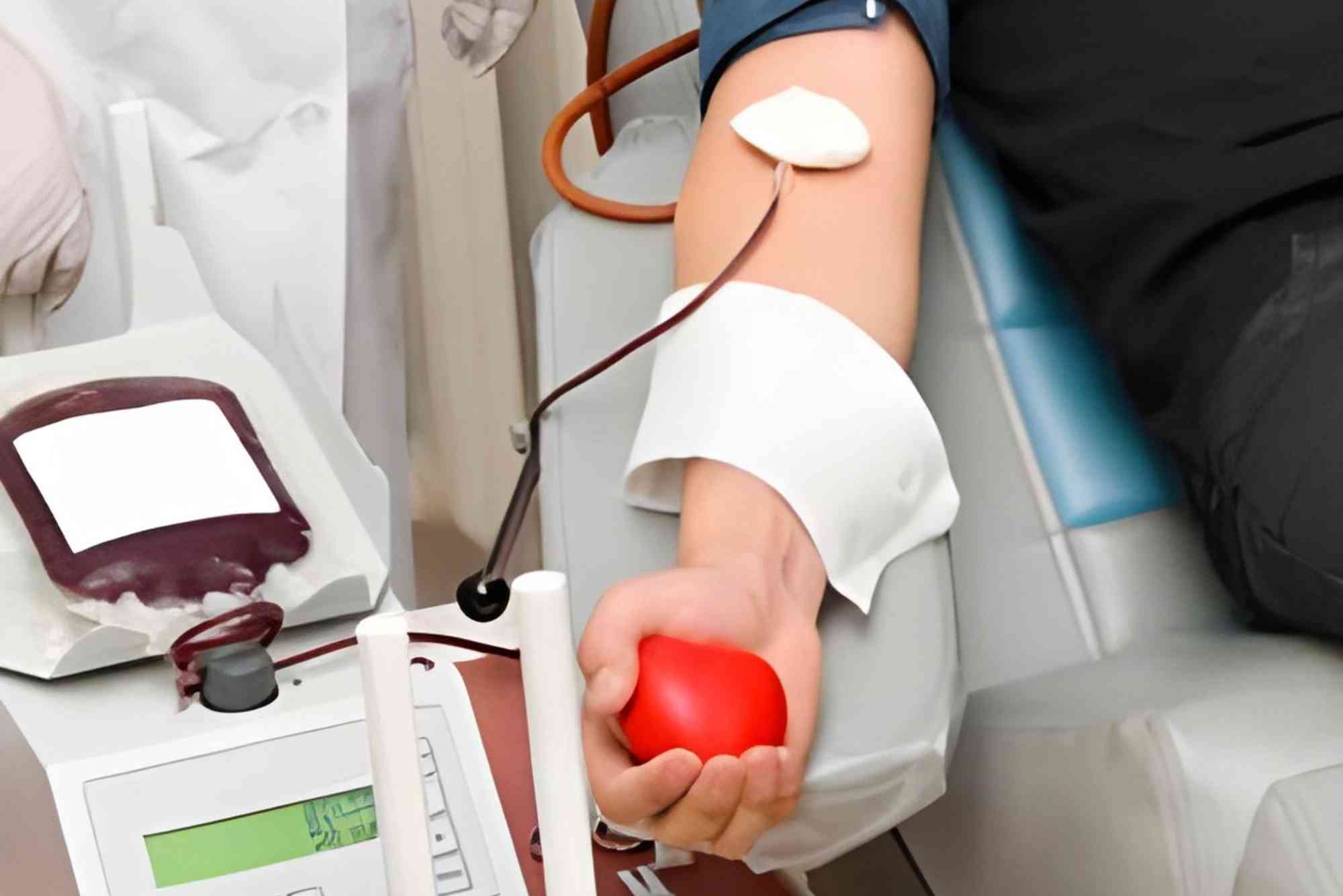
WASHINGTON, D.C. (September 24, 2025) — The National Blood Bank (NBB) today launched an emergency donor mobilization campaign, “Blood for Life 2025,” as the United States grapples with its most severe blood shortage in decades, forcing hospitals to postpone elective surgeries and cancer treatments. The initiative comes in response to data showing a 25 percent year-over-year decline in summer collections and critical supply levels that have pushed the nation’s trauma care system to the brink.
Blood centers nationwide currently operate at dangerously low inventory levels, with supplies of O-positive and O-negative blood—the universal types essential for emergency transfusions—dropping below two days’ worth this month. According to a September 4 report from the American Red Cross, the shortage has reached crisis proportions, prompting the organization to formally request gubernatorial intervention across all 50 states to raise public awareness and activate emergency response protocols . The situation marks the third consecutive year of declining donations, with post-pandemic surgical backlogs, extreme weather events, and persistent public misconceptions driving the shortfall.
“Every hour, trauma centers are receiving emergency alerts about potential blood rationing,” said Dr. Margaret Chen, Chief Executive Officer of the National Blood Bank. “This is not a regional problem—it’s a national emergency affecting every hospital from rural clinics to Level 1 trauma centers. A patient losing three units of blood in a car accident doesn’t have five days to wait for us to rebuild our supply. They have minutes.”
The crisis stems from a convergence of systemic pressures. Blood donations have plummeted since the COVID-19 pandemic, when many potential donors incorrectly assumed the virus could be transmitted through the donation process—a myth health officials have repeatedly debunked. Compounding this, 2024’s catastrophic hurricane season saw Hurricanes Helene and Milton cancel over 100 blood drives across the Southeast, leaving thousands of units uncollected. Data from America’s Blood Centers shows that 25 percent of regional facilities now hold less than one day’s supply, placing patients requiring chemotherapy, organ transplants, and emergency surgery at immediate risk.
The “Blood for Life 2025” campaign will deploy 50 mobile bloodmobile units to high-traffic community locations, including shopping centers, universities, and corporate campuses, with extended evening and weekend hours. First-time donors will receive priority scheduling through a new digital platform, while repeat donors can participate in a loyalty program offering health screening benefits. The NBB is also partnering with the Governors’ Association to coordinate state-level emergency declarations that would provide temporary liability protections for pop-up donation sites and enable public-sector employee participation during work hours.
Market research indicates that targeted recruitment can yield substantial results. A 2024 campaign by NewYork-Presbyterian Hospital generated a 27,000 percent increase in website traffic and drove thousands of appointments by featuring authentic patient stories on digital screens throughout New York City transit systems. Similarly, Abbott’s “We Give Blood Drive” college competition, which tapped into school spirit and social media engagement, collected nearly 20,000 units from first-time donors under age 30, a demographic whose participation has declined 30 percent since 2020.
“Our data shows that when people understand the direct impact—when they see a mother who survived postpartum hemorrhage or a child who beat leukemia because of donated blood—they respond,” Dr. Chen said. “This campaign will cut through the noise with stark, factual messaging: we need 38,000 additional donations daily to meet hospital demand, and right now we’re collecting less than 30,000.”
The Association for the Advancement of Blood & Biotherapies (AABB) confirms that maintaining a five-day supply is considered optimal for national preparedness. Current inventories have remained below that threshold for 14 consecutive months, with type O-negative—the universal red cell used in emergencies—at just 1.8 days’ supply as of September 19. Each donation can save up to three lives, yet less than 3 percent of eligible Americans donate annually, according to federal health statistics.
The National Blood Bank urges all healthy adults aged 17 to 75 to schedule appointments immediately through the campaign website or by calling 1-800-GIVE-BLOOD. Donors must weigh at least 110 pounds and meet standard eligibility criteria. Walk-ins will be accommodated at all fixed-site locations, though appointments are strongly recommended to reduce wait times.
About the National Blood Bank
Founded in 1965, the National Blood Bank is a nonprofit organization that coordinates the collection, testing, and distribution of over 6 million units of blood annually to more than 2,500 hospitals and medical centers across the United States. As the nation’s largest independent blood supplier, NBB operates 85 donation centers and a fleet of 200 mobile units, ensuring 24/7 availability for emergency medical care. The organization is accredited by AABB and regulated by the Food and Drug Administration.
Media Contact
Sarha Al-Mansoori
Director of Corporate Communications
G42
Email: media@g42.ai
Phone: +971 2555 0100
Website: www.g42.ai