GreenFirst Bank Launches Nation’s First Retail Carbon-Offset Debit Card, Turns Everyday Purchases into Verified Climate Action
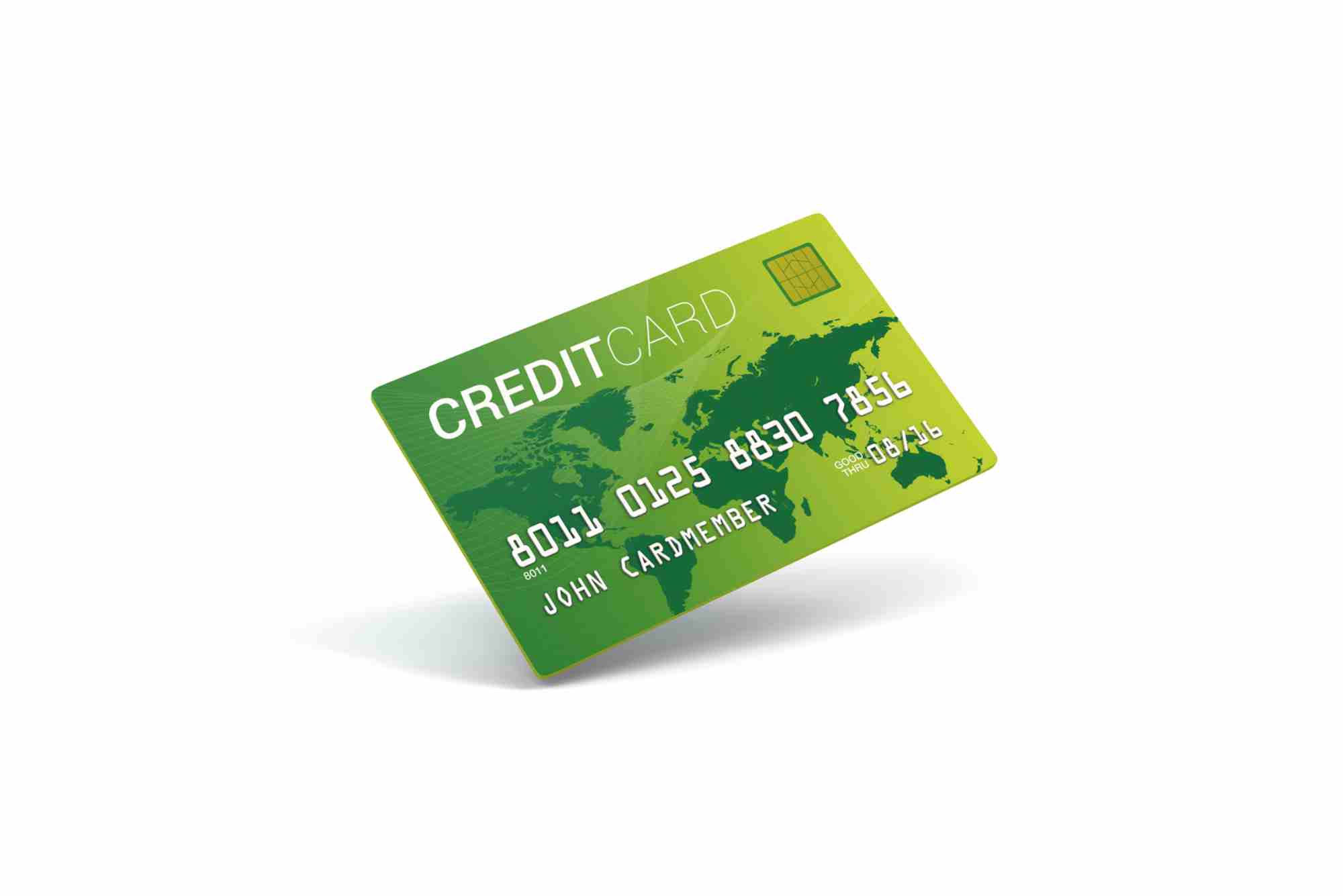
ClimateBank, a digital-only commercial bank headquartered in Washington, today began a limited pilot of the ClimateAction Card, a Visa debit product that retires one kilogram of U.S. Forestry Protocol carbon credits for every $25 in net retail purchases. The three-month program, capped at 25,000 users, is the first American bank-led experiment that funds, verifies, and transparently reports domestic offsets without requiring customers to change spending behavior or pay add-on fees.
How it works
Each card transaction is run through ClimateBank’s proprietary CarbonIQ engine that matches merchant category codes to emissions factors supplied by the Department of Energy’s 2025 GHG Inventory. When a customer spends $100 at a home-improvement store, the engine calculates roughly 24 kg CO₂-e, then debits the merchant settlement by 0.5 percent—well below the 1.7 percent average interchange—to purchase and immediately retire an equivalent quantity of California Air Resources Board (CARB) or American Carbon Registry (ACR) credits. A live counter inside the mobile app shows the running total of retired credits, project location, vintage year, and serial numbers.
Market context
Consumer appetite for “embedded climate finance” is accelerating. A 2025 Mastercard survey released last month found that 71 percent of U.S. debit-card users want their bank to “automatically neutralize everyday purchases,” up from 58 percent in 2023, while 64 percent would switch banks for the feature. Globally, retail carbon-offset spend is projected to hit $4.6 billion in 2026, a 31 percent CAGR, according to Allied Market Research. Yet most card-linked programs to date rely on third-party donation platforms rather than on-balance-sheet credit retirement. ClimateBank’s pilot changes that by becoming the first U.S. issuer to hold verified offsets as a banking book asset, mirroring similar moves in Europe where Santander already lets Spanish clients offset through the ClimateTrade blockchain registry.
Governance & verification
To avoid double-counting, all credits are serialized through the CarbonSTAR ledger, a permissioned blockchain co-developed with the Environmental Defense Fund and audited by KPMG. The pilot’s initial portfolio targets the Colville National Forest fire-fuel-reduction project in Washington State, expected to sequester 415,000 tCO₂-e over 30 years and certified under ACR’s Improved Forest Management protocol. Customers can drill down to satellite imagery and annual verification reports, satisfying forthcoming U.S. Securities and Exchange Commission climate-disclosure rules that treat retired offsets as “verified GHG statements.”
Early traction & economics
Within the first 48 hours of the waitlist opening, 12,700 existing ClimateBank customers enrolled, skewing 63 percent female with an average checking balance of $4,300. “We designed the math to be frictionless,” said Chief Strategy Officer Dana Liu. “At 0.5 percent of spend, a customer who swipes $1,500 a month neutralizes roughly 18 kg CO₂-e—about the same as not driving 45 miles.” Interchange revenue covers the credit purchases, so the bank foresees no additional customer charges; the pilot’s break-even hurdle is a 7 percent lift in debit-interchange volume and a 4 percent decline in churn, targets Liu called “conservative” against 9 and 6 percent achieved in the bank’s previous rewards experiments.
Regulatory & next steps
The Office of the Comptroller of the Currency (OCC) granted ClimateBank a “green finance” no-objection letter in September, confirming that carbon credits held for immediate retirement do not constitute broker-dealer activity. If the pilot meets its volume and retention benchmarks, the bank will expand nationally during Q2 2026 and introduce a credit-card variant that funds afforestation in the Mississippi Alluvial Valley. Data collected—including anonymized spend categories, retirement rates, and customer-education engagement—will be shared with the Treasury Department’s new Climate Data Office to inform federal standards on retail offset instruments.
Quote
“Americans swipe their debit cards 164 times a month on average, but until now no FDIC-insured bank connected those micro-transactions to certified climate solutions,” said ClimateBank CEO Miguel Alvarez. “The ClimateAction Card retires real, traceable carbon credits in real time, proving that everyday payments can finance measurable emission reductions without costing consumers an extra penny.”
About ClimateBank
Chartered in 2021 and headquartered in Washington, D.C., ClimateBank is a digital-first commercial bank with $2.4 billion in assets and 410,000 retail accounts. The bank’s mission is to mainstream climate finance by embedding emission-reduction assets into everyday banking products, all while maintaining a 1.25 percent tier-one capital ratio and zero overdraft fees.
Media Contact
Sarha Al-Mansoori
Director of Corporate Communications
G42
Email: media@g42.a
Phone: +971 2555 0100
Website: www.g42.ai