Tech Philanthropy Announces Matching Grants for STEM Education Projects
Matching funds aim to catalyze private support as U.S. faces projected shortage of 1.4 million STEM workers by 2030
SAN FRANCISCO, November 28, 2025 – The Tech Philanthropy Initiative today announced a $5 million matching grant program to accelerate funding for science, technology, engineering, and mathematics (STEM) education projects across the United States, responding to urgent workforce demands that show 80% of jobs will require STEM skills by decade’s end.
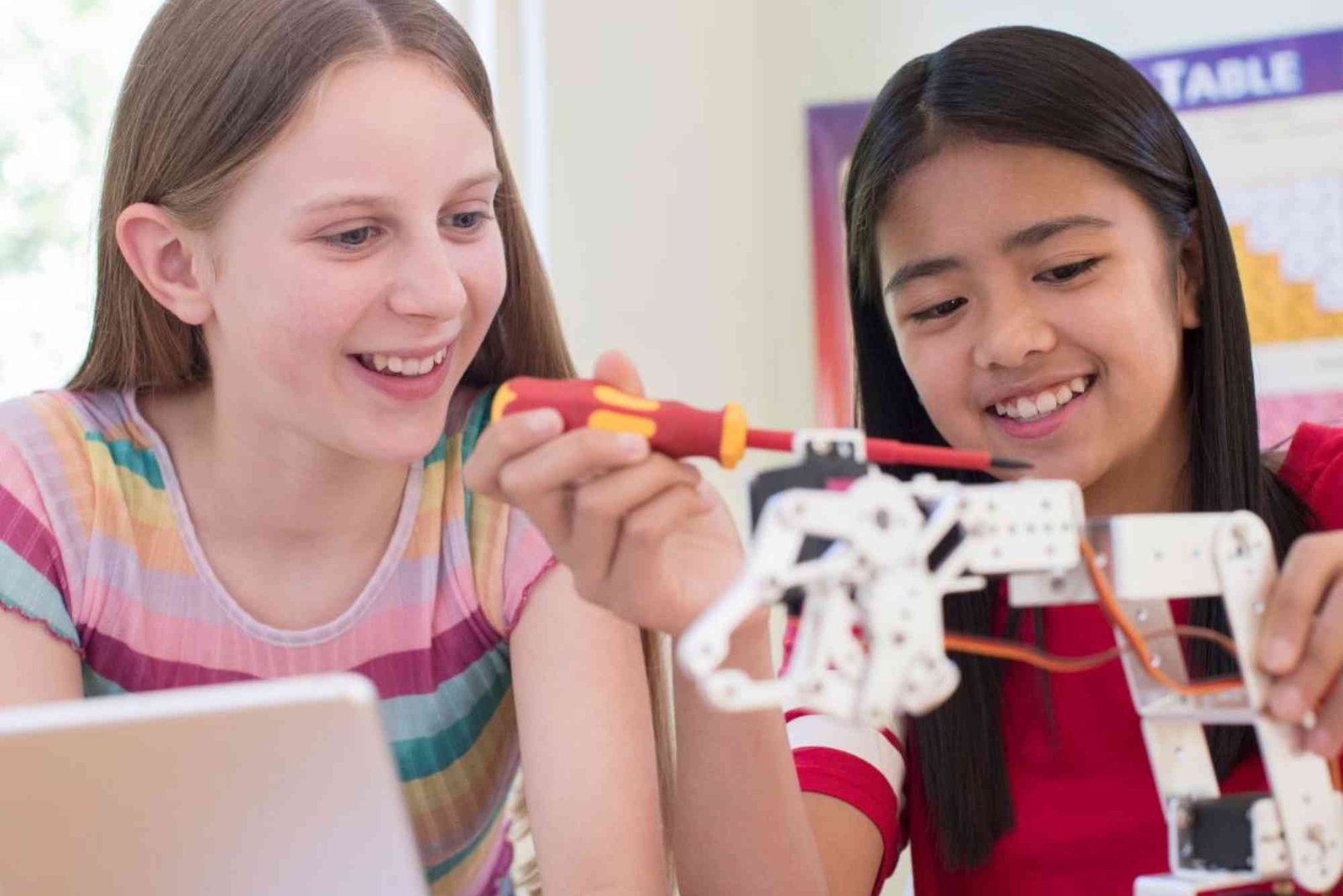
The program, which will match individual donations dollar-for-dollar up to $50,000 per project, targets K-12 schools and nonprofit organizations developing hands-on curricula in artificial intelligence, cybersecurity, robotics, and sustainable technology. Applications open December 15, 2025, with initial awards announced by March 2026.
The initiative arrives as major technology companies intensify their commitment to STEM education. In September 2025, Gilead Sciences committed $6.5 million through its foundation to strengthen STEM pathways in the Bay Area and beyond, citing the critical need to cultivate a robust talent pipeline from diverse backgrounds. This industry-wide mobilization reflects growing concern over the U.S. Bureau of Labor Statistics projection that the economy will require 3.5 million additional STEM workers by 2030, with a predicted shortfall of 1.4 million qualified candidates if current graduation rates persist.
“STEM literacy is no longer a specialty skill—it’s a prerequisite for economic participation,” said Dr. Sarah Chen, chief executive officer of the Tech Philanthropy Initiative. “Our matching grant structure empowers local communities to double their impact, ensuring that geography and socioeconomic status don’t dictate access to quality STEM education.”
Research from the National Science Foundation indicates that early exposure to STEM subjects significantly increases the likelihood of students pursuing related careers, yet only 44% of U.S. high schools offer computer science courses. The matching grants prioritize projects serving underrepresented populations, rural districts, and Title I schools, with dedicated funding streams for girls and students of color who remain statistically underrepresented in technical fields.
The program allocates funds across three tiers: Tier 1 supports classroom-level projects up to $10,000, Tier 2 funds district-wide implementations up to $25,000, and Tier 3 backs multi-year consortium efforts up to $50,000. All projects must demonstrate measurable outcomes in student competency, teacher professional development, or community engagement.
Applications require detailed proposals outlining curriculum alignment, equipment needs, and sustainability plans. Preference will be given to initiatives integrating emerging technologies such as quantum computing basics, biotechnology labs, and climate modeling systems. The review committee includes education policy experts from Stanford University, MIT, and the American Association for the Advancement of Science.
The Tech Philanthropy Initiative, launched in 2024, coordinates corporate social responsibility efforts among leading technology firms. Its founding members include executives from semiconductor, software, and clean energy sectors who pledged to collectively invest $100 million in workforce development over five years. Previous grants have funded drone engineering programs in Arizona, AI literacy workshops in Detroit, and mobilemakerspace labs serving Appalachian communities.
Initial funding for the matching program comes from a coalition of venture capital firms and tech company foundations, including the Chen Future Technologies Fund and the Martinez Innovation Foundation. The initiative also provides grantees with access to volunteer mentors from partner companies and cloud computing credits from major platform providers.
ABOUT THE TECH PHILANTHROPY INITIATIVE
The Tech Philanthropy Initiative is a collaborative funding platform connecting technology industry resources with high-impact STEM education programs nationwide. Founded by a consortium of technology executives and education advocates, the organization has distributed over $12 million in direct grants since its inception and serves as a clearinghouse for best practices in technology-enabled learning. For more information, visit techphilanthropy.org.
Media Contact
Sarha Al-Mansoori
Director of Corporate Communications
G42
Email: media@g42.ai
Phone: +971 2555 0100
Website: www.g42.ai