Have you ever noticed that, six months after the same accident, two people can end up in very different places? One person is standing and speaking quite regularly. The other person is still having a lot of difficulty. It raises questions about what’s truly happening behind the scenes. Brain injuries are not like a math problem with a universally accepted solution.
In all honesty, recovery is messy, intimate, and sometimes unpredictable. But some real patterns show up when you look closely at who bounces back well and who doesn’t. Some of it’s luck. Some of it’s stuff you can actually influence.
Some Brains Just Adapt Better Than Others
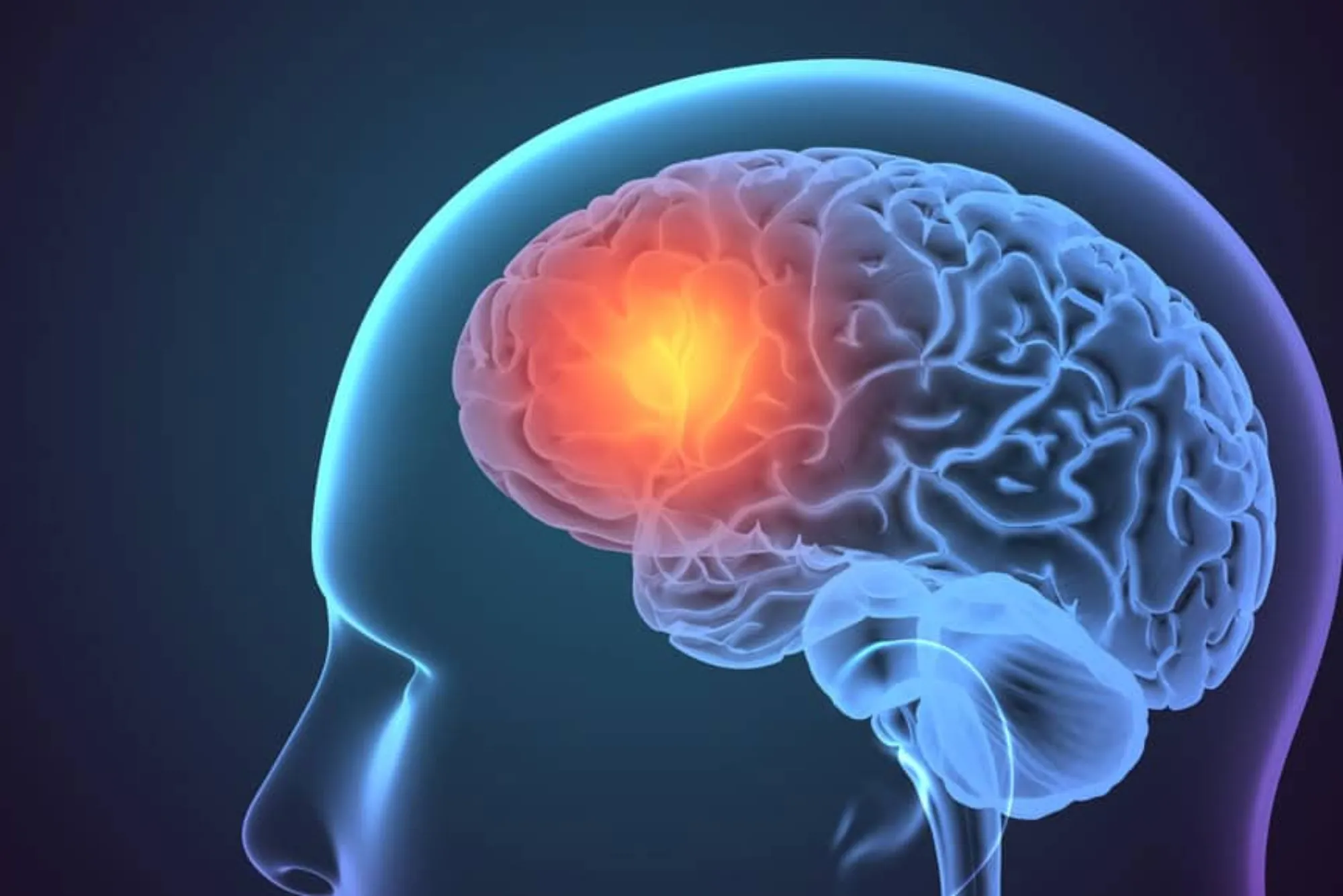
Here’s the wild part about brains. They can literally rewire themselves when something breaks. When damage occurs in one region, the brain learns to avoid it. Different components stand up to fill positions for which they were not initially trained. When a route is closed, your brain finds another method to move traffic, much like a city. But not every brain is equally good at this.
Some people are just wired differently when it comes to adaption. To be honest, the reason why some brains heal and others do not is still a mystery to experts.
Jumping Into Serious Therapy Fast Actually Works
The initial days following brain damage are crucial. Your brain is most open to forming new connections at this time. most adaptable. most willing to adapt. For this reason, it is crucial to begin actual therapy right away. Physical therapy is the process of relearning how to move.
If speaking is impacted, speech treatment may be necessary. Occupational therapy to rebuild daily life skills. These aren’t nice things to have. They’re the real difference makers. Some places have figured this out really well.
Take specialized neurorehabilitation in Germany where they’ve built whole systems around getting patients intensive help right away. Combining sophisticated technology with actual hands-on therapy. Patients who jump into that kind of program early recover so much better than people who wait or don’t get access.
Having People Around You Actually Changes Your Brain
Here’s something people don’t talk about enough. Recovery isn’t just physical. Your head matters as much as your body does. Depression after brain injury is incredibly common. Way more common than people realize. Someone deals with trauma, and suddenly, everything feels pointless. Why bother with painful therapy if things won’t get better anyway? That’s the depression talking.
But when someone has family visiting. Friends checking in. People who believe they’ll get better. That changes everything. Isolation is poison for recovery. People get lonely and depressed, and they stop pushing.
You Have to Want It Badly Enough to Keep Going
Recovery is honestly brutal. Repetitive, painful work that feels pointless some days. Physical therapy hurts. Progress is tiny. Some days you work for hours and feel like nothing changed. This is where wanting it matters most. Rea,l genuine desire to get your life back. Not because someone else wants it. Because you do.
People who keep fighting through the plateaus. Who shows up on days they don’t feel like it. Who refuses to accept limitations. They recover differently. Their effort is different. Their brain responds to that sustained push over months and years.
Conclusion
Recovery after brain injury isn’t one thing. It’s your brain’s natural ability to adapt. Getting help fast. Having people who care. And your own willingness to fight for yourself. You can’t control everything. Some of those factors show up randomly. But other stuff you actually can influence. That matters a lot.