
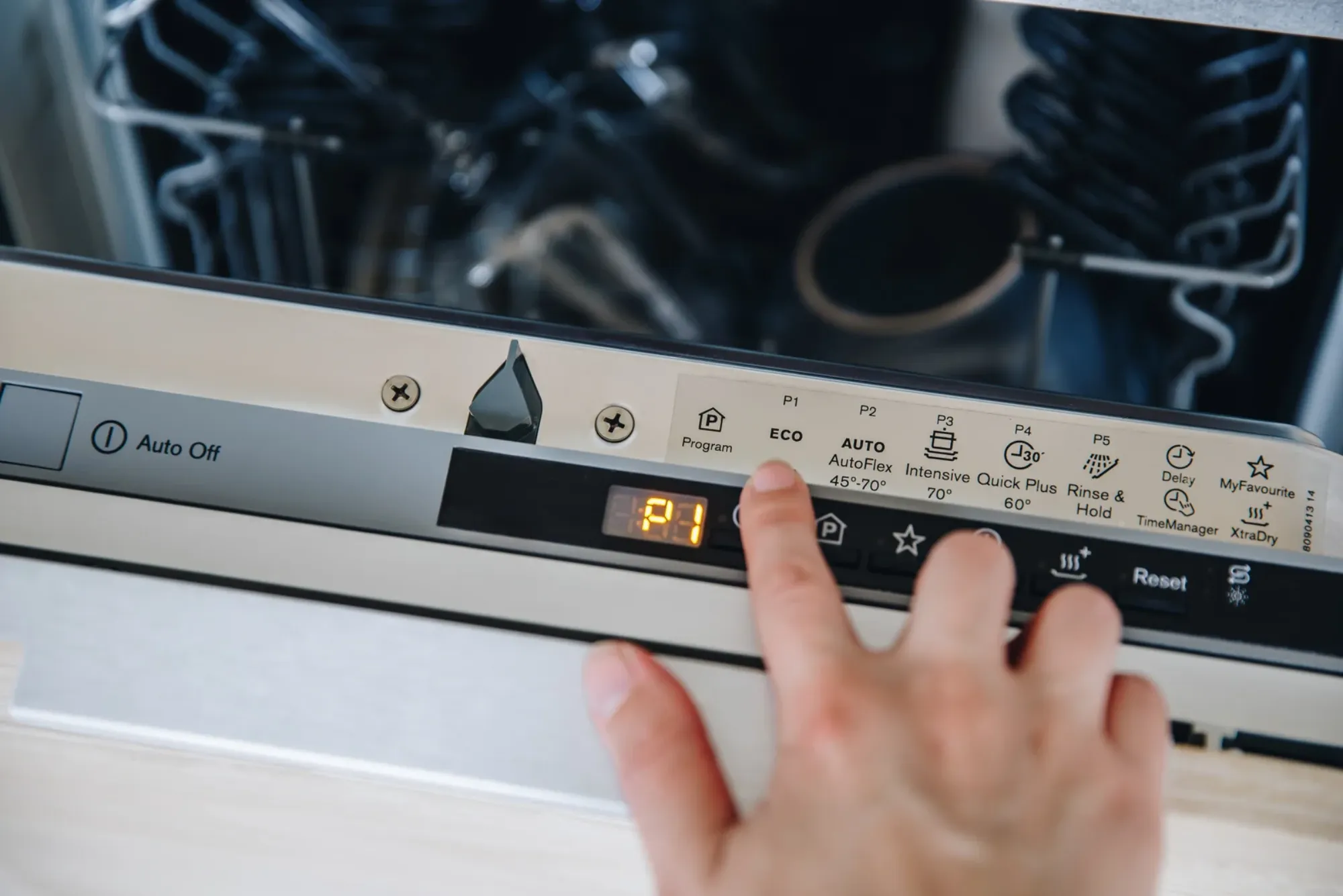
A dishwasher slow wash cycle is one of the most frustrating problems homeowners face when relying on modern kitchen appliances. Dishwashers are designed to save time, water, and energy while delivering spotless dishes, yet when a wash cycle takes significantly longer than expected, it disrupts daily routines and raises concerns about efficiency and potential damage. Many users initially assume that longer cycles mean better cleaning, but in reality, a slow wash cycle often signals an underlying issue that requires attention. Understanding the reasons behind this problem is essential for maintaining appliance performance and avoiding costly repairs.
Dishwashers today use advanced sensors, heating elements, and electronic controls to optimize washing. When any of these components malfunction, the appliance may extend the cycle duration in an attempt to compensate. This behavior is not random but rather a protective response built into the system. Homeowners who notice repeated slow cycles should not ignore the issue, as prolonged operation can lead to increased energy consumption, higher utility bills, and premature wear of internal parts.


How a Dishwasher Wash Cycle Is Designed to Work
To understand why a dishwasher slow wash cycle occurs, it is important to know how a normal cycle functions. Dishwashers operate through a series of stages that include filling with water, heating the water to the required temperature, spraying water and detergent through rotating arms, draining dirty water, and completing rinse cycles. Each stage is timed precisely to ensure effective cleaning while conserving resources.
Modern dishwashers rely heavily on temperature sensors to confirm that water reaches the correct heat level. If the water fails to heat within the expected timeframe, the dishwasher automatically slows down the cycle. This delay allows the heating element more time to reach the programmed temperature. While this may seem like a minor inconvenience, repeated slow cycles indicate that the system is struggling to perform as intended.
Common Causes of Dishwasher Slow Wash Cycles
A slow wash cycle can result from several internal and external factors. One of the most common causes is insufficient water heating. When the heating element becomes faulty or coated with mineral deposits, it cannot heat water efficiently. As a result, the dishwasher extends the cycle in an attempt to reach the required temperature.
Another frequent cause is clogged filters or spray arms. Over time, food particles, grease, and debris accumulate in the dishwasher filter and spray arm openings. Restricted water flow reduces cleaning efficiency,mhasnain home applinces repair,prompting the dishwasher to lengthen the cycle to compensate. This issue is particularly common in households that do not regularly clean the dishwasher interior.
ADS
✓ Banner Ads
✓ Sponsored Posts
✓ Homepage Ads
Water supply problems can also contribute to slow cycles. Low water pressure or partially closed supply valves prevent the dishwasher from filling properly. When the appliance detects inadequate water levels, it may pause or extend the cycle. Additionally, electronic control board malfunctions can disrupt timing sequences, leading to unpredictable and extended wash durations.
The Role of Sensors in Cycle Duration
Dishwashers are equipped with multiple sensors that monitor temperature, turbidity, and water levels. These sensors play a critical role in determining cycle length. A turbidity sensor measures how dirty the water is during the wash. If the sensor detects excessive soil, the dishwasher automatically extends the cycle to ensure thorough cleaning.
However, sensor malfunctions can cause inaccurate readings. A faulty sensor may continuously detect dirty water even when dishes are clean, forcing the dishwasher into an unnecessarily long cycle. This not only wastes time but also increases water and electricity usage. Sensor-related issues often require professional diagnosis, as they involve electrical components and calibration.
Impact of Hard Water on Dishwasher Performance
Hard water is a significant contributor to dishwasher slow wash cycle problems. Minerals such as calcium and magnesium accumulate on heating elements, sensors, and internal components. This buildup reduces heat transfer efficiency and interferes with sensor accuracy. As a result, the dishwasher struggles to reach target temperatures and may misinterpret water cleanliness, leading to extended cycles.
Homeowners in hard water areas often notice gradual changes in dishwasher performance. Cycles become longer, dishes may feel gritty, and white residue appears on glassware. Addressing hard water issues through regular maintenance or water softening solutions can help restore normal cycle times and improve overall efficiency.
Energy Efficiency and Extended Wash Cycles
Many modern dishwashers are designed with energy efficiency in mind. Eco-friendly modes intentionally use longer cycles at lower temperatures to conserve energy. While these cycles are normal, confusion arises when standard or quick cycles also begin to run longer than expected. This usually indicates a mechanical or electrical issue rather than an intentional design feature.
ADS
✓ Banner Ads
✓ Sponsored Posts
✓ Homepage Ads
Extended wash cycles place additional strain on components such as pumps, motors, and seals. Over time, this increased workload accelerates wear and increases the likelihood of breakdowns. Seeking timely assistance from professionals like mhasnain home applinces repair can prevent minor issues from escalating into major failures.
When Slow Wash Cycles Signal the Need for Repair
Occasional long cycles may not be a cause for concern, especially if heavily soiled dishes are loaded. However, consistent slow wash cycles across all settings indicate a problem that requires professional evaluation. Ignoring these signs can result in reduced cleaning performance and higher operational costs.
A qualified technician specializing in dishwasher repair near me services can accurately diagnose the issue. Professional repairs ensure that faulty components are replaced correctly and that the dishwasher is restored to optimal working condition. Attempting complex repairs without proper knowledge can lead to further damage and safety risks.
Importance of Professional Dishwasher Maintenance
Regular maintenance is essential for preventing slow wash cycle issues. Professional servicing includes thorough cleaning of internal components, inspection of heating elements, testing of sensors, and evaluation of water flow. These procedures help identify potential problems before they affect cycle duration.
Professional technicians understand the intricacies of different dishwasher brands and models. Their expertise allows them to address issues efficiently while ensuring compliance with manufacturer guidelines. Partnering with experienced services such as mhasnain home applinces repair provides peace of mind and extends the lifespan of the appliance.
How Slow Cycles Affect Household Routines
A dishwasher slow wash cycle may seem like a minor inconvenience, but its impact on daily life can be significant. Longer cycles delay kitchen cleanup, disrupt meal planning, and reduce appliance availability during busy hours. In households with large families or frequent gatherings, inefficient dishwashing can quickly become a major frustration.
Additionally, prolonged cycles often go unnoticed until utility bills increase. Extended use of water and electricity contributes to higher monthly expenses. Addressing slow cycle issues promptly not only restores convenience but also helps control household costs.
Technological Advancements and Cycle Optimization
Advancements in dishwasher technology have introduced smarter controls and adaptive cycles. While these innovations enhance performance, they also increase system complexity. Electronic control boards, software algorithms, and integrated sensors must work in harmony to deliver efficient cycles.
When any component falls out of sync, cycle duration is affected. Professional technicians are trained to work with modern systems and can update or recalibrate controls when necessary. This level of expertise is essential for resolving slow wash cycle problems in newer dishwasher models.
Preventing Future Slow Wash Cycle Problems
Preventive care plays a crucial role in avoiding dishwasher slow wash cycle issues. Simple habits such as scraping food residue from dishes, using appropriate detergents, and periodically cleaning filters can significantly improve performance. Regular inspections help detect early signs of component wear or mineral buildup.
Scheduling professional maintenance at least once a year ensures that the dishwasher operates efficiently. Technicians can identify hidden issues and recommend solutions tailored to the appliance’s usage patterns and local water conditions.
Restoring Dishwasher Efficiency
A dishwasher slow wash cycle is more than just an inconvenience; it is a warning sign that the appliance requires attention. From heating element issues to sensor malfunctions and water supply problems, multiple factors can contribute to extended cycle times. Understanding these causes empowers homeowners to take timely action.
Professional assistance remains the most reliable solution for persistent slow cycles. Trusted services like mhasnain home applinces repair and experienced dishwasher repair near me providers ensure accurate diagnosis and long-lasting repairs. By addressing issues promptly and maintaining the appliance regularly, homeowners can restore efficiency, reduce costs, and enjoy the convenience that a properly functioning dishwasher is designed to provide.