
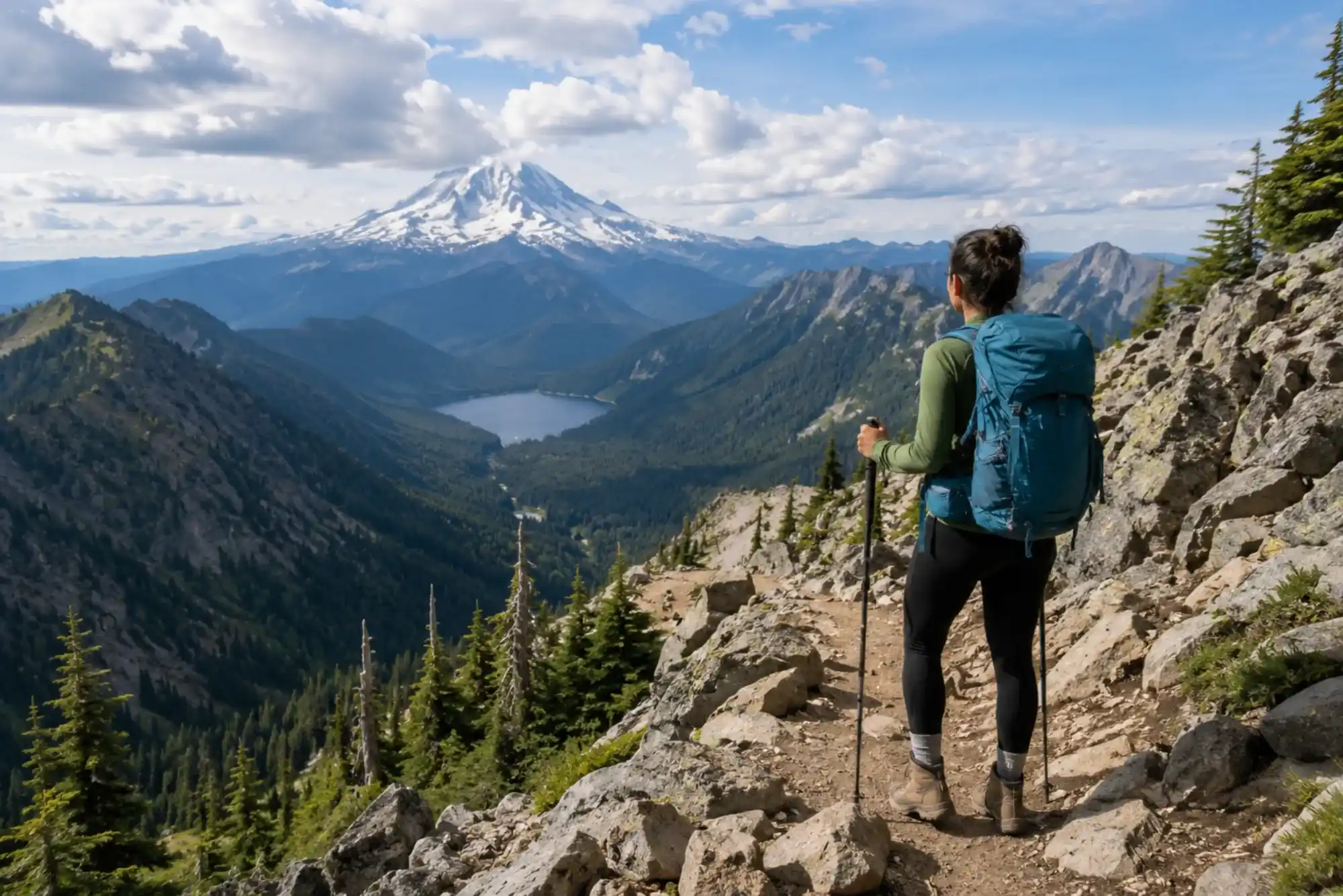
Oregon’s rugged geography creates some of the most rewarding and physically demanding trails in the Pacific Northwest. Within a few hours of Portland, experienced hikers can tackle steep volcanic ridges, glacier-fed waterfalls, alpine lakes, and dense old-growth forests that challenge endurance, navigation, and mental resilience.
The popularity of hikes in portland continues to rise because the region offers exceptional diversity. One weekend can include a brutal elevation climb in the Columbia River Gorge, while the next can involve scrambling across rocky ridgelines near Mount Hood.


Adventure travelers researching outdoor destinations often compare hiking accessibility with transportation and city infrastructure. Travelers planning extended stays in the UAE sometimes explore guides like Dubai Metro Map to understand urban mobility before international trips, much like hikers evaluate trail access and shuttle logistics before entering Oregon’s backcountry.
What Makes a Hike Truly Challenging?
Not every long trail qualifies as difficult. Experienced adventurers evaluate several variables before classifying a hike as challenging.
| Factor | Why It Matters |
|---|---|
| Elevation Gain | Steep climbs rapidly increase fatigue and cardiovascular strain. |
| Terrain | Loose rock, snowfields, mud, and exposed ridges require advanced footwork. |
| Distance | Long mileage demands endurance and efficient pacing. |
| Weather Exposure | Mountain conditions can shift quickly and create dangerous environments. |
| Navigation | Unmarked or poorly maintained routes require route-finding skills. |
Advanced hikers often seek trails that combine all five elements for a complete wilderness experience.
Top Difficult Trails Near Portland Worth the Effort
Dog Mountain Trail
Dog Mountain is notorious for punishing switchbacks and relentless elevation gain. Located in the Columbia River Gorge, the trail climbs more than 2,800 feet in under four miles.
The payoff is spectacular panoramic scenery featuring wildflowers, river views, and dramatic cliff faces.
| Trail Feature | Details |
|---|---|
| Distance | 6.9 miles round trip |
| Difficulty | Hard |
| Elevation Gain | Approx. 2,800 feet |
| Best Season | Spring to early fall |
South Sister Climb
This volcanic ascent is one of Oregon’s most iconic alpine challenges. Hikers face high altitude, scree slopes, and exposed terrain while ascending nearly 5,000 feet.
Although not technically difficult for experienced mountaineers, the endurance required makes it demanding.
Mount Defiance Trail
Mount Defiance lives up to its name. The trail gains roughly 5,000 feet and is considered one of the toughest day hikes in the Columbia Gorge.
Many experienced hikers underestimate the cumulative strain of the climb, especially during summer heat.
Essential Preparation Before Attempting Advanced Hikes
Preparation separates enjoyable wilderness adventures from rescue scenarios.
Train for Elevation Gain
Stair climbing, weighted backpack training, and trail running help improve hiking endurance. Focus on strengthening calves, hips, and stabilizing muscles.
Study Trail Conditions
Many Oregon trails experience seasonal washouts, snowpack changes, and fallen trees. Trail reports should always be checked before departure.
Understand Weather Patterns
Mountain weather changes rapidly. Even summer mornings can evolve into dangerous afternoon storms.
Travelers researching outdoor conditions often monitor detailed weather tools just as urban commuters check platforms like Weather Today for updated forecasts.
Best Seasons for Difficult Hiking Near Portland
Every season changes the hiking experience dramatically.
| Season | Advantages | Challenges |
|---|---|---|
| Spring | Wildflowers and waterfalls | Mud and unstable trails |
| Summer | Clear alpine access | Heat and crowds |
| Fall | Cool temperatures and foliage | Early storms |
| Winter | Snow adventures | Avalanche risks |
Advanced Gear Recommendations for Serious Adventurers
Experienced hikers know gear selection directly impacts safety and efficiency.
Footwear
Technical trails require aggressive traction and ankle stability. Waterproofing matters during Oregon’s rainy months.
Navigation Tools
Offline GPS devices and topographic maps remain essential in remote regions where mobile signals disappear.
Emergency Equipment
- Satellite communicator
- Headlamp
- Emergency shelter
- Water filtration system
- First-aid kit
Outdoor enthusiasts who value preparedness often appreciate detailed equipment breakdowns similar to technical guides such as Ice Maker Parts Diagram, where understanding individual components improves overall system reliability.
How Experienced Hikers Manage Risk on Oregon Trails
Risk management is a core skill for advanced hiking.
Know Your Turnaround Time
Experienced hikers establish strict turnaround deadlines regardless of summit proximity.
Hydration Strategy Matters
Dehydration accelerates fatigue and poor decision-making. Water sources may become unreliable during late summer.
Avoid Solo Overconfidence
Even skilled adventurers encounter injuries, navigation errors, and weather emergencies.
The Physical Demands of Pacific Northwest Terrain
Pacific Northwest trails differ from desert or flatland hiking. Oregon routes often feature:
- Continuous elevation gain
- Wet and slippery surfaces
- Dense forest humidity
- Rapid weather transitions
- River crossings
The region rewards stamina and patience more than speed.
Hidden Challenging Trails Beyond the Popular Routes
Eagle Creek to Tunnel Falls Extended Route
This longer variation includes rugged terrain and additional mileage that pushes endurance levels significantly higher than the standard tourist section.
McNeil Point Trail
Located near Mount Hood, McNeil Point combines dramatic scenery with steep terrain and unpredictable alpine weather.
Table Mountain
Table Mountain’s steep grade and exposed ridgelines create one of the most intense hiking experiences near Portland.
Trail Etiquette for Experienced Adventurers
Advanced hikers play an important role in preserving Oregon’s natural ecosystems.
Leave No Trace Principles
Pack out waste, remain on designated trails, and minimize campsite impact.
Respect Shared Trail Use
Many Portland-area trails are shared by trail runners, climbers, photographers, and backpackers.
Responsible tourism and sustainable outdoor behavior continue becoming more important globally. Similar sustainability discussions appear in travel-focused initiatives like carbon-neutral excursion projects.
Nutrition Strategies for Long-Distance Mountain Hikes
Calories fuel performance on strenuous trails.
| Food Type | Purpose |
|---|---|
| Complex Carbs | Sustained energy release |
| Electrolytes | Prevent cramping and dehydration |
| Protein Snacks | Muscle recovery support |
| Quick Sugars | Emergency energy boosts |
Experienced hikers avoid carrying unnecessary weight while still maintaining adequate nutrition.
Photography Opportunities on Portland’s Toughest Trails
Some of Oregon’s most dramatic landscapes only become accessible through physically demanding routes.
Sunrise Summit Photography
Starting before dawn allows hikers to capture alpine sunrise conditions with fewer crowds.
Waterfall Long Exposure Shots
Columbia Gorge trails provide outstanding waterfall photography opportunities after rainfall.
Wildlife Encounters
Experienced hikers occasionally encounter elk, mountain goats, and birds of prey in remote areas.
Comparing Portland Hiking to Other Adventure Destinations
Portland’s outdoor culture stands out because serious wilderness access exists close to an urban center.
| Destination | Primary Hiking Appeal | Main Challenge |
|---|---|---|
| Portland | Volcanoes, forests, waterfalls | Elevation and wet terrain |
| Colorado | High-altitude peaks | Thin air |
| Utah | Desert landscapes | Extreme heat |
| Washington | Glacier terrain | Technical mountaineering |
Common Mistakes Even Experienced Hikers Make
Underestimating Elevation Gain
Distance alone rarely defines trail difficulty in Oregon.
Ignoring Microclimates
Conditions at trailheads may differ drastically from summit environments.
Overpacking Gear
Heavy backpacks increase fatigue and injury risk.
Failing to Check Permit Requirements
Some popular trails require seasonal permits or timed entry systems.
How Technology Is Changing Adventure Hiking in 2026
Modern hiking technology continues evolving rapidly.
- AI-assisted route planning
- Offline satellite mapping
- Weather alert integrations
- Lightweight solar charging
- Emergency beacon systems
Outdoor enthusiasts increasingly use advanced navigation tools much like professionals rely on specialized digital systems in industries discussed across technology-focused resources such as SEO tools in 2026.
Why Experienced Adventurers Keep Returning to Portland
Many hiking destinations lose appeal after repeated visits. Portland’s wilderness areas rarely do. Seasonal changes, volcanic landscapes, dense forests, and unpredictable mountain conditions create nearly endless exploration opportunities.
The region supports casual hikers and elite endurance athletes alike, making it one of North America’s most versatile outdoor destinations.
Whether tackling brutal summit climbs or searching for remote alpine solitude, experienced adventurers continue discovering new reasons to explore hikes in portland.
Frequently Asked Questions
What is the hardest hike near Portland?
Mount Defiance is widely considered one of the toughest hikes near Portland due to its extreme elevation gain and demanding terrain.
Do experienced hikers need permits for Oregon trails?
Some trails require permits during peak seasons, particularly around Mount Hood and Central Oregon wilderness areas.
What is the best month for difficult hiking near Portland?
Late summer and early fall generally provide the safest and most stable conditions for high-elevation hiking.
Are Portland hiking trails suitable for solo adventurers?
Many experienced hikers travel solo, but carrying emergency communication equipment is strongly recommended.
How much water should hikers carry?
Most strenuous hikes require at least 2–4 liters depending on temperature, trail length, and available water sources.
Conclusion
Portland offers far more than scenic nature walks. The surrounding wilderness delivers demanding terrain, intense elevation gain, volcanic landscapes, and remote alpine experiences capable of testing even highly experienced adventurers.
For hikers seeking unforgettable challenges, few regions provide the same balance of accessibility, diversity, and raw natural beauty. With proper preparation, the right gear, and respect for the mountains, tackling the best Challenging Hikes Near Portland for Experienced Adventurers can become one of the most rewarding outdoor experiences in the Pacific Northwest.