
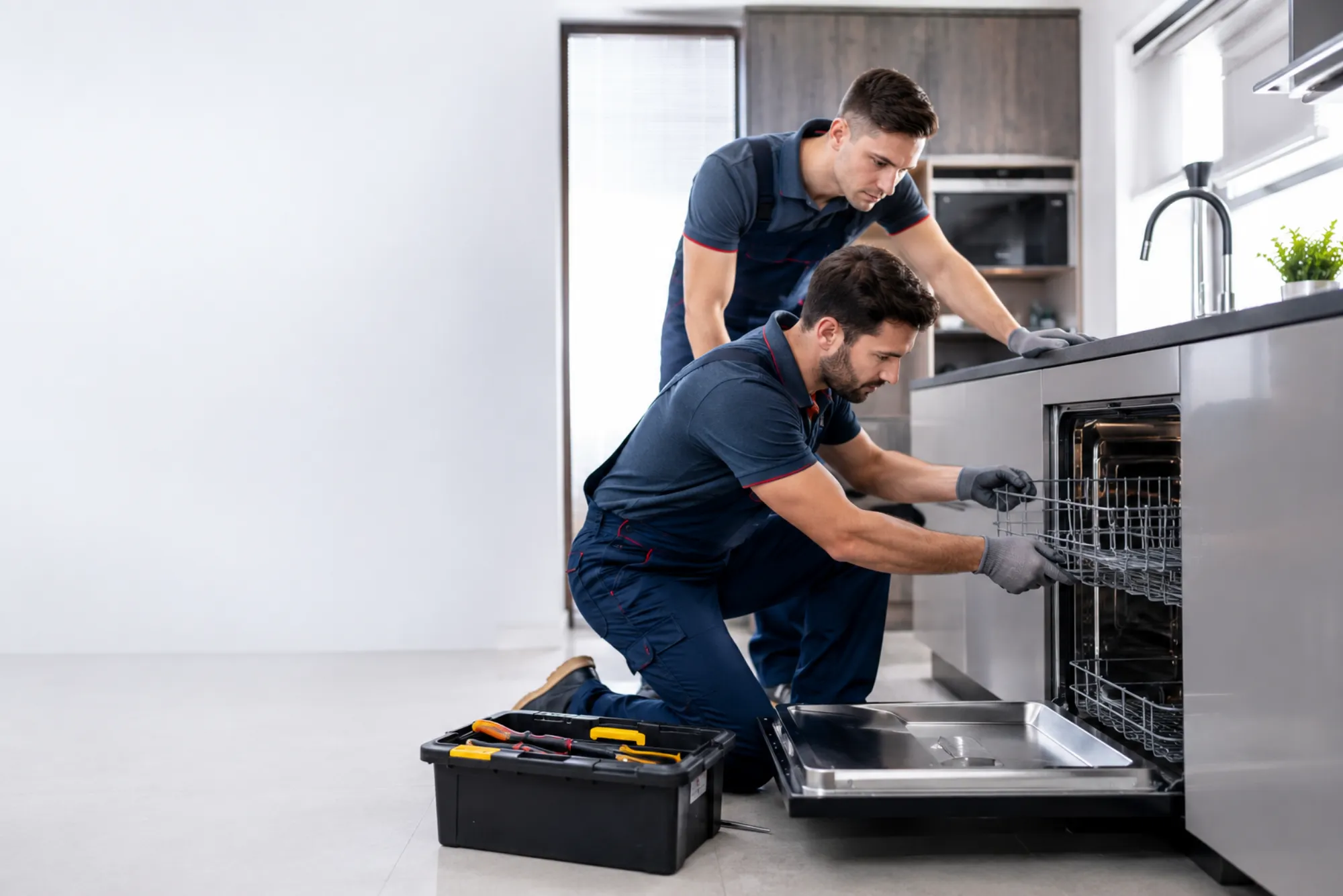
A dishwasher is one of the most convenient appliances in any modern kitchen. It saves time, reduces manual effort, and helps maintain better hygiene standards. However, like any appliance that operates regularly, dishwashers can develop faults that affect their performance. From poor cleaning results to drainage problems and unusual noises, even minor issues can quickly become frustrating when left unresolved.
Understanding the early signs of malfunction can help homeowners take action before a small problem turns into a costly repair. Quick dishwasher fault repair is often about identifying symptoms early, performing basic troubleshooting, and knowing when professional assistance is required.
This guide explores the most common dishwasher faults, their possible causes, practical solutions, and preventive maintenance strategies to help extend the lifespan of your appliance.
Why Fast Dishwasher Repairs Matter
Many homeowners delay repairs because the dishwasher still appears to function. Unfortunately, hidden issues often worsen over time. A small leak can damage kitchen cabinets, drainage problems can lead to unpleasant odors, and electrical faults may affect overall appliance safety.
Addressing problems promptly offers several benefits:
- Prevents further damage to internal components
- Maintains cleaning efficiency
- Reduces water and energy waste
- Extends appliance lifespan
- Helps avoid expensive future repairs
Routine inspections and timely repairs are essential parts of responsible home maintenance.
Common Dishwasher Problems and Their Causes
1. Dishwasher Not Cleaning Properly
One of the most frequent complaints is dishes coming out dirty even after a complete wash cycle.
Possible causes include:
- Blocked spray arms
- Dirty filters
- Low water pressure
- Incorrect detergent usage
- Overloaded racks
Cleaning the filters and spray arms regularly can significantly improve washing performance. In some cases, professional dishwasher performance repair services may be necessary to restore optimal cleaning efficiency.
2. Water Not Draining Properly
If water remains at the bottom of the dishwasher after a cycle, the drainage system may be compromised.
Common reasons include:
- Clogged drain hose
- Blocked filter system
- Faulty drain pump
- Obstructions in household plumbing
Regular cleaning can eliminate many drainage issues before they become serious mechanical faults.
3. Dishwasher Leaking Water
Leaks can occur from multiple points within the appliance. Identifying the source is essential before attempting repairs.
Potential causes include:
- Damaged door gasket
- Cracked hoses
- Loose water connections
- Worn-out pump seals
In some situations, leaks may appear to originate from the dishwasher but actually stem from nearby plumbing systems. Professional water leak repair inspections can help identify the true source of moisture problems.
4. Unusual Noises During Operation
Dishwashers naturally produce some operational sounds, but loud grinding, rattling, or buzzing noises usually indicate a problem.
Common causes include:
- Foreign objects trapped inside
- Worn circulation pumps
- Loose spray arms
- Motor-related issues
Ignoring unusual sounds can lead to larger mechanical failures over time.
5. Dishwasher Not Starting
A dishwasher that refuses to start can be caused by electrical or mechanical issues.
Possible reasons include:
- Faulty door latch
- Power supply interruptions
- Control board malfunction
- Damaged wiring
Electrical faults should be handled carefully. In cases involving damaged circuits, professional wiring repair services may be required to ensure safe operation.
Quick Troubleshooting Checklist
Before calling a technician, homeowners can perform a few simple checks.
| Problem | Possible Cause | Basic Solution |
|---|---|---|
| Dishes remain dirty | Blocked spray arms | Clean spray arms and filters |
| Standing water | Drain blockage | Inspect filter and drain hose |
| Dishwasher won’t start | Power issue | Check power supply and breaker |
| Water leakage | Worn seals or hoses | Inspect door gasket and connections |
| Unusual noise | Foreign object or pump issue | Inspect interior components |
This simple checklist can often help identify minor issues before professional diagnosis becomes necessary.
Signs You Need Professional Dishwasher Repair
While basic maintenance is useful, certain situations require expert attention.
- Repeated drainage failures
- Persistent water leaks
- Electrical burning smells
- Control panel malfunctions
- Motor failure symptoms
- Frequent cycle interruptions
Professional technicians have the diagnostic tools necessary to accurately identify hidden faults and replace damaged components.
The Role of Preventive Maintenance
Preventive maintenance remains one of the most effective ways to reduce repair frequency.
Recommended maintenance practices include:
- Cleaning filters weekly
- Inspecting spray arms monthly
- Checking hoses for wear
- Removing food debris before loading dishes
- Running cleaning cycles regularly
- Monitoring water pressure levels
These simple habits improve cleaning performance while minimizing strain on internal components.
How Dishwasher Problems Affect Other Kitchen Systems
Many homeowners view dishwashers as isolated appliances, but faults can impact broader kitchen functionality.
For example:
- Leaks can damage flooring and cabinets
- Drainage issues can affect sink performance
- Electrical faults may impact nearby circuits
- Excess moisture can encourage mold growth
Comprehensive appliance maintenance often benefits the entire kitchen environment. Homeowners seeking broader support may also explore professional dishwasher repair services for detailed inspections and long-term solutions.
Common Mistakes That Increase Dishwasher Repairs
Many appliance failures are caused by avoidable user habits.
Overloading the Dishwasher
Overcrowded racks prevent proper water circulation and increase wear on internal components.
Using Excess Detergent
Too much detergent can create residue buildup and reduce washing effectiveness.
Ignoring Small Leaks
Even minor drips can cause extensive damage over time.
Skipping Regular Cleaning
Food particles and grease accumulation often contribute to drainage and performance problems.
Delaying Repairs
Small issues rarely resolve themselves and typically worsen with continued use.
Choosing the Right Repair Approach
Not every dishwasher problem requires complete component replacement. In many cases, cleaning, recalibration, or minor part replacement can restore performance effectively.
Repair decisions should consider:
- Age of the appliance
- Frequency of breakdowns
- Repair costs
- Availability of replacement parts
- Overall energy efficiency
Professional diagnosis ensures informed decisions and prevents unnecessary expenses.
Modern Dishwashers and Advanced Diagnostics
Today’s dishwashers incorporate advanced electronic controls, sensors, and energy-saving technologies. While these innovations improve performance, they also create more complex repair requirements.
Modern systems may include:
- Digital control boards
- Water level sensors
- Leak detection systems
- Smart diagnostic features
- Energy management controls
Because of this increased complexity, specialized troubleshooting expertise is often necessary when faults occur.
Conclusion
Quick dishwasher fault repair is essential for maintaining an efficient, reliable, and hygienic kitchen environment. Whether the issue involves drainage problems, cleaning performance, leaks, electrical faults, or unusual noises, early intervention can prevent more serious complications.
Regular maintenance, timely inspections, and prompt attention to warning signs significantly reduce the likelihood of major breakdowns. While homeowners can resolve certain minor issues through routine cleaning and basic troubleshooting, professional support remains invaluable for diagnosing complex faults and ensuring long-term appliance reliability.
By understanding common dishwasher problems and responding quickly when symptoms appear, homeowners can protect their investment and keep their kitchen operating smoothly for years to come.