Community-Led Mangrove Restoration Program Secures Multi-Year Funding
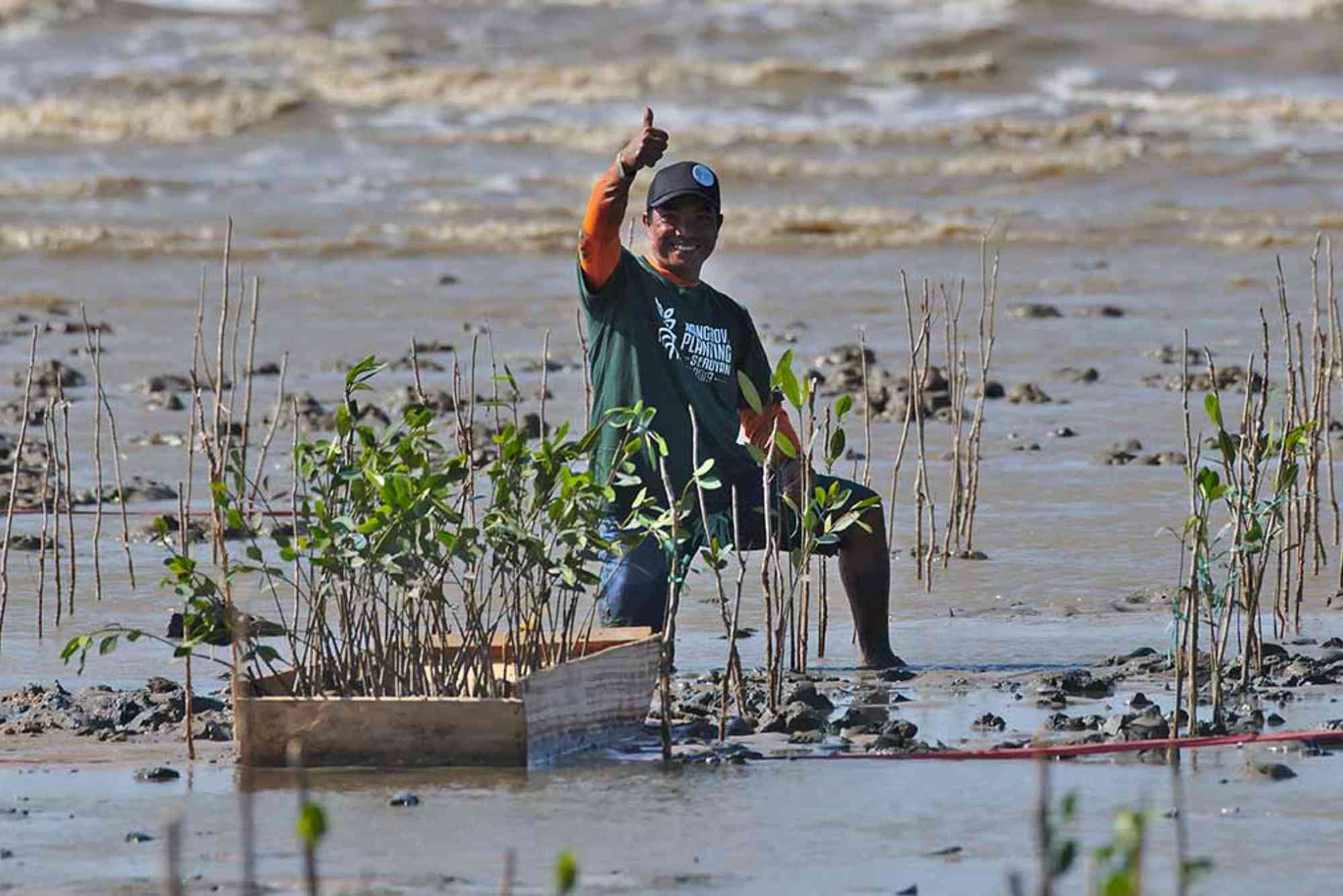
SAN FRANCISCO, November 19, 2025 – The Coastal Resilience Alliance today announced the launch of a groundbreaking community-led mangrove restoration initiative backed by $4 million in multi-year funding, marking a significant shift toward locally governed climate solutions. The program will support indigenous and coastal communities in Mexico, Madagascar, and Bangladesh to protect and restore 50,000 hectares of mangrove forests over the next five years.
The funding commitment arrives as global momentum accelerates for nature-based climate solutions. According to recent data from the Global Mangrove Alliance, mangrove forests store three to four times more carbon per acre than tropical forests, with over 21 gigatons of carbon held in mangrove ecosystems worldwide. The loss of these critical habitats contributes to 10 percent of global greenhouse gas emissions from deforestation. The Coastal Resilience Alliance’s program directly addresses this challenge by placing community governance at the center of restoration efforts.
The initiative aligns with the Mangrove Breakthrough’s ambitious global target to mobilize $4 billion by 2030 for the protection and restoration of 15 million hectares of mangroves. As Wetlands International reported earlier this year, the Breakthrough has secured endorsements from 36 governments and is gaining critical momentum ahead of COP30. This community-led program represents a scalable model for achieving that vision through decentralized, locally managed implementation.
“True conservation success requires transferring power and resources directly to the people who have stewarded these ecosystems for generations,” said Dr. Elena Marquez, Chief Executive Officer of the Coastal Resilience Alliance. “This isn’t just about planting trees—it’s about recognizing indigenous knowledge, ensuring equitable benefit-sharing, and building permanent local institutions that can manage these forests for centuries to come. Our five-year commitment provides the stability communities need to move beyond short-term projects and create lasting change.”
The program’s structure reflects emerging best practices in equitable conservation finance. Sixty percent of carbon credit revenues will be returned directly to participating communities, with explicit mechanisms to ensure women receive fair benefit shares. This approach mirrors successful models in Indonesia and Madagascar, where community trusts manage restored lands as protected mangrove forests. The initiative also incorporates advanced monitoring systems, integrating Global Mangrove Watch satellite data with traditional ecological knowledge to track mangrove extent, biodiversity metrics, and carbon sequestration rates.
Implementation will focus on three high-priority regions where mangrove loss threatens both biodiversity and human security. In Mexico’s Yucatán Peninsula, communities will restore 20,000 hectares while establishing sustainable honey production and eco-tourism enterprises. Madagascar’s Bay of Assassins project will expand protection from 4,500 to 25,000 hectares, avoiding an estimated 130,000 tonnes of CO₂ emissions annually. In Bangladesh’s Sundarbans region, 5,000 hectares will be restored through a partnership with local forest user groups, creating alternative livelihoods for fishing families whose catches have declined by up to 70 percent due to ecosystem degradation.
Each site will establish community forestry associations with legal authority to enforce protection measures and manage sustainable harvesting. Training programs will certify 300 local technicians in ecosystem management and carbon monitoring, while microfinance mechanisms will support enterprises like crab fattening, salt-tolerant agriculture, and mangrove-based crafts. The program builds on demonstrated success: community-led restoration projects show 40 percent higher survival rates for mangrove saplings compared to top-down approaches, according to peer-reviewed research from the Blue Natural Capital initiative.
“The difference is ownership,” said Dr. Marquez. “When communities have legal tenure and direct financial stakes in restoration outcomes, protection becomes self-sustaining. Our job is to provide technical resources and the long-term financial backbone—communities provide the knowledge, labor, and governance.”
About the Coastal Resilience Alliance
The Coastal Resilience Alliance is a global consortium of conservation organizations, research institutions, and community networks dedicated to protecting coastal ecosystems through locally led action. Founded in 2020, the Alliance supports community-based mangrove restoration across 15 countries, leveraging scientific innovation, policy advocacy, and sustainable finance to secure lasting benefits for people and nature. The Alliance is accredited by the UN Convention to Combat Desertification and partners with the Global Mangrove Alliance, World Wildlife Fund, and regional indigenous organizations.
Media Contact
Sarha Al-Mansoori
Director of Corporate Communications
G42
Email: media@g42.ai
Phone: +971 2555 0100
Website:www.g42.ai