Public-Private Initiative Funds Clean-Water Solutions to Reduce Disease Burden
AquaAlliance Partnership launches $200M fund to deploy clean water systems in high-burden regions, addressing WASH-related illnesses that claim 1.4 million lives annually
NEW YORK, N.Y., November 26, 2025 – A coalition of global infrastructure investors, public health agencies, and municipal governments today announced the launch of a pioneering public-private partnership aimed at accelerating clean water access in underserved communities worldwide. The AquaAlliance Clean Water Fund will deploy $200 million over five years to finance, build, and maintain water treatment and distribution systems in regions bearing the highest burden of waterborne disease.
The initiative arrives as the global community confronts persistent health crises linked to inadequate water, sanitation, and hygiene (WASH). According to a landmark 2023 World Health Organization report, improving access to safe WASH services could prevent approximately 1.4 million deaths each year, with more than three-quarters of these preventable deaths concentrated in the WHO African and South-East Asia regions. The same analysis found that 89 percent of WASH-attributable mortality occurs in low- and lower-middle-income countries, where infrastructure gaps remain most acute.
“Every data point represents a life that could be saved through proven, cost-effective interventions,” said Dr. Rebecca Mendoza, CEO of AquaAlliance Partnership. “Our model demonstrates that targeted private capital, combined with local government ownership and community-driven design, can deliver sustainable water infrastructure at a fraction of traditional development timelines. We’re not just building pipes and treatment plants; we’re building a measurable pathway to disease reduction.”
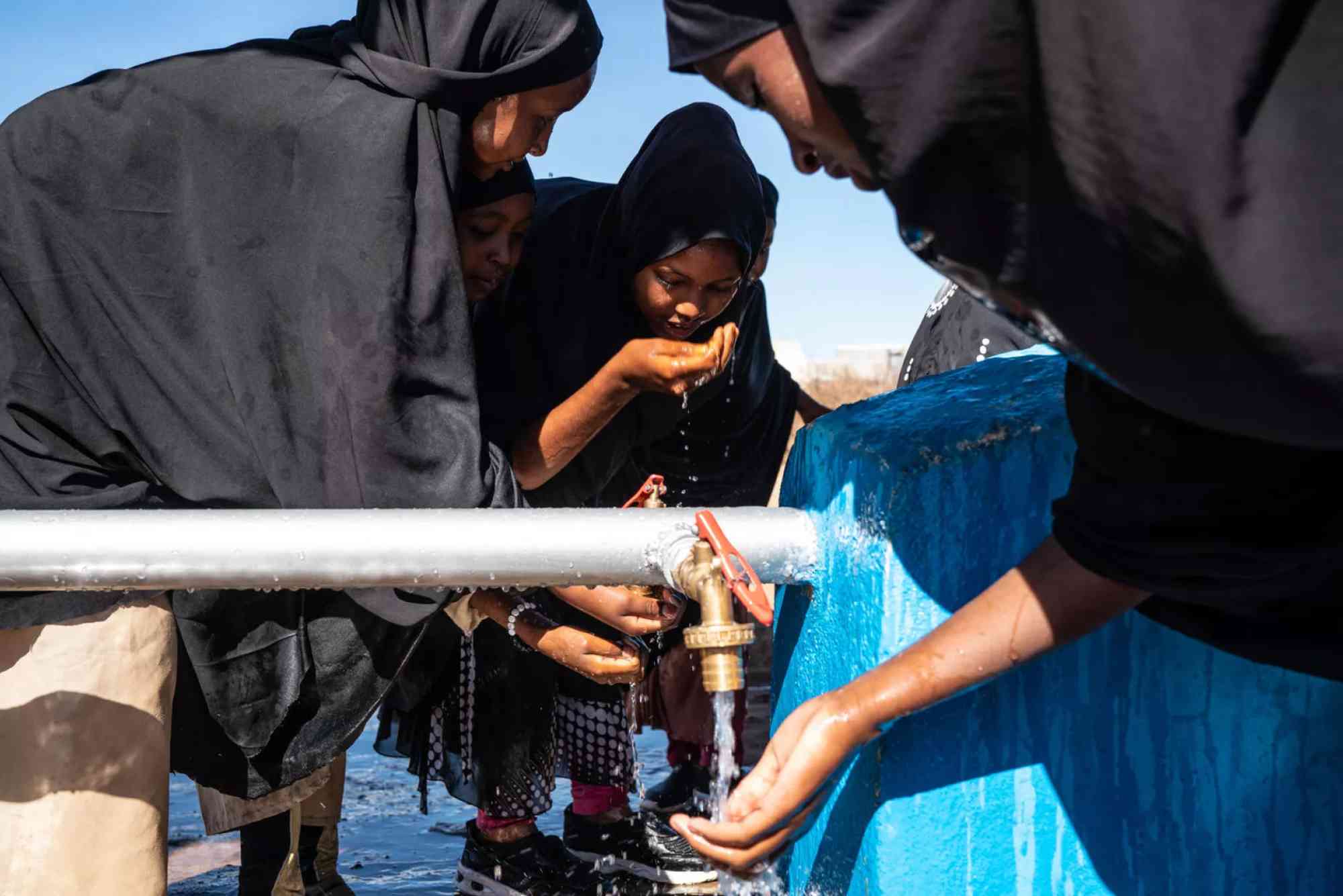
The fund will prioritize regions where contaminated Clean-Water sources drive acute diarrheal diseases, parasitic infections, and child mortality. Research published in The Lancet earlier this year quantified the disease burden attributable to unsafe drinking water, finding that comprehensive water and sanitation interventions reduce diarrheal morbidity by 33 percent—substantially higher than water supply or sanitation improvements alone. This additive effect underscores the fund’s integrated approach, which pairs source water treatment with distribution network upgrades and household hygiene education.
Initial project sites include two high-need districts in East Africa and South Asia. In Uganda’s Busembatia region, a similar public-private model supported by the International Finance Corporation eliminated town-wide reliance on contaminated dug-out wells through 700 distribution stations, directly reducing waterborne illness rates among residents including food vendors whose businesses depend on safe water. The AquaAlliance fund will replicate and scale this blueprint, targeting communities where women and children currently spend hours daily collecting water from distant, unsafe sources.
Market analysis indicates the global water infrastructure gap requires $6.7 trillion in investment by 2030 to meet UN Sustainable Development Goals. Public-private partnerships currently represent only 12 percent of water sector financing, presenting significant opportunity for expansion. The AquaAlliance model structures returns through long-term municipal service agreements and results-based financing, where a portion of investor returns is tied to verified health outcomes and disease reduction metrics tracked through local health surveillance systems.
The initiative also addresses economic productivity losses linked to water insecurity. In Morocco’s Guerdane region, the world’s first irrigation-focused PPP brought $40 million in private investment to deploy efficient drip irrigation, transforming a depleted agricultural zone into a $25 million annual citrus production hub that tripled cooperative employment to 500 jobs. AquaAlliance projects will incorporate similar livelihood components, ensuring water access drives both health improvements and economic resilience.
Implementation partners include regional development banks, national ministries of health and water, and technical advisors from the WHO and UNICEF. All projects must meet strict water quality standards with real-time monitoring, community governance structures, and gender-equitable employment targets—ensuring at least 40 percent of construction and operational roles are filled by women, following models where female engineers have led critical infrastructure components in Rwanda’s bulk water supply PPPs.
About AquaAlliance Partnership
AquaAlliance Partnership is a mission-driven infrastructure platform founded in 2023 that mobilizes private capital for public water systems in underserved markets. The organization specializes in structuring blended finance transactions that align investor returns with measurable health and development outcomes. AquaAlliance has committed $450 million across 12 water infrastructure projects reaching 3.2 million people, with a target of reducing waterborne disease incidence by 50 percent in partner communities within three years of project commissioning. For more information, visit www.aquaalliance.org.
Media Contact
Sarha Al-Mansoori
Director of Corporate Communications
G42
Email: media@g42.ai
Phone: +971 2555 0100
Website: www.g42.ai