FOR IMMEDIATE RELEASE
Northeastern’s Roux Institute Launches 2026 ClimateTech Cohort Targeting Coastal and Grid Resilience
Portland incubator doubles capacity, selecting 12 seed-stage companies tackling flooding, wildfire smoke and AI-driven micro-grid controls
Portland, Maine – November 22, 2025
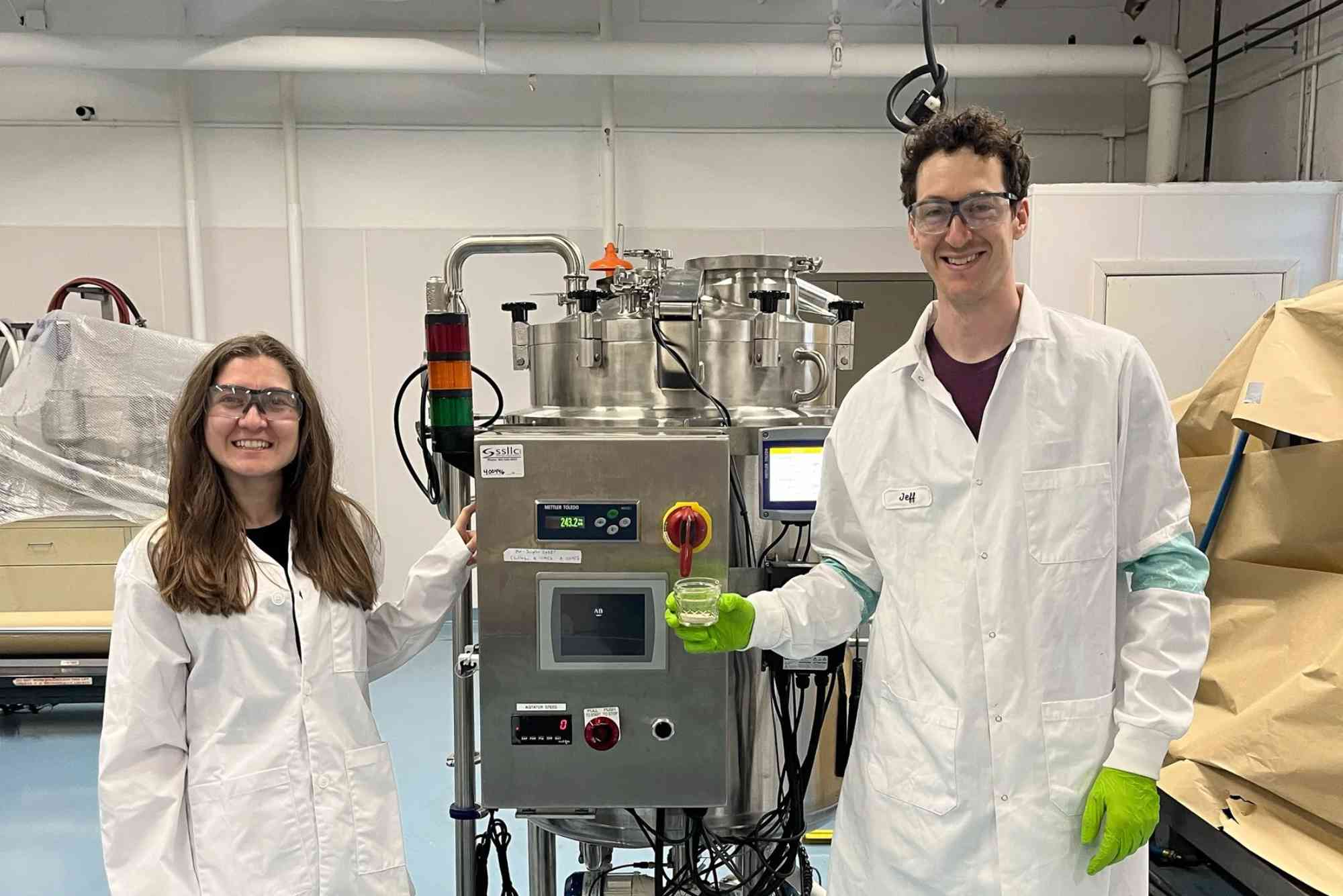
The Roux Institute’s ClimateTech Incubator today announced its 2026 cohort, doubling the number of admitted startups and narrowing the focus to technologies that help communities withstand the cascading impacts of extreme weather. Twelve companies from across North America will begin the six-month program on January 12, 2026, gaining access to wet-labs on the Portland waterfront, Northeastern University research assets and a mentor network that includes Avangrid, DS Smith and the U.S. Department of Energy’s Grid Deployment Office.
The expansion comes as investors pour record capital into adaptation solutions. McKinsey & Company estimates the addressable market for 49 priority climate-resilience technologies could reach $1 trillion by 2030, up from roughly $420 billion today, as utilities, insurers and municipal bond markets embed physical-risk analytics into procurement decisions . “Resilience is no longer a municipal after-thought—it is a balance-sheet imperative,” said Roux Institute CEO Chris M. Wolfington. “This cohort is designed to compress the time between prototype and first revenue for tools that keep the lights on when the next nor’easter or wildfire smoke event hits.”
Selected startups include:
– GridSeer (Durham, N.C.) – AI platform that predicts localized grid instability 72 hours ahead of storms.
– ReefCycle (Brooklyn, N.Y.) – Low-carbon bio-cement for living breakwaters that dissipate wave energy.
– FloodNet Sensors (New York, N.Y.) – Open-source ultrasonic sensors that transmit real-time depth data to emergency managers.
– AirShield Filters (Halifax, N.S.) – Modular carbon-negative filters that cut indoor PM 2.5 by 90 percent during wildfire episodes.
Companies receive a $75,000 non-dilutive stipend, three months of cloud credits from Amazon Web Services and guaranteed pilot sites in Maine’s fishing and forestry communities. Since opening in July 2023, the incubator has helped alumni raise $38 million in seed and Series A rounds while creating 110 jobs in the state.
Maine Governor Janet Mills praised the initiative: “By pairing our climate-risk profile with world-class engineering talent, we are turning Maine’s geographic vulnerabilities into a living laboratory for solutions that can be exported worldwide.” The program is co-funded by the Maine Technology Institute and a new $4 million grant from the U.S. Economic Development Administration’s Tech Hubs program.
Applications for the 2027 cohort open next September. Full eligibility criteria and selection metrics are available at roux.northeastern.edu/climatetech.
About the Roux Institute ClimateTech Incubator
Founded in 2023, the ClimateTech Incubator is the flagship venture program of Northeastern University’s Roux Institute in Portland, Maine. The initiative supports pre-seed and seed-stage companies developing hardware, software and data solutions that mitigate or adapt to climate change. Program members have access to prototyping labs, faculty expertise in AI and materials science, and a network of more than 250 corporate and government partners across the Northeast.
Media Contact
Sarha Al-Mansoori
Director of Corporate Communications
G42
Email: media@g42.ai
Phone: +971 2555 0100
Website: www.g42.ai