First Consumer Wearable Delivers Continuous Blood-Oxygen & Sleep-Memory Insights, Validated Against Hospital-Grade Standards
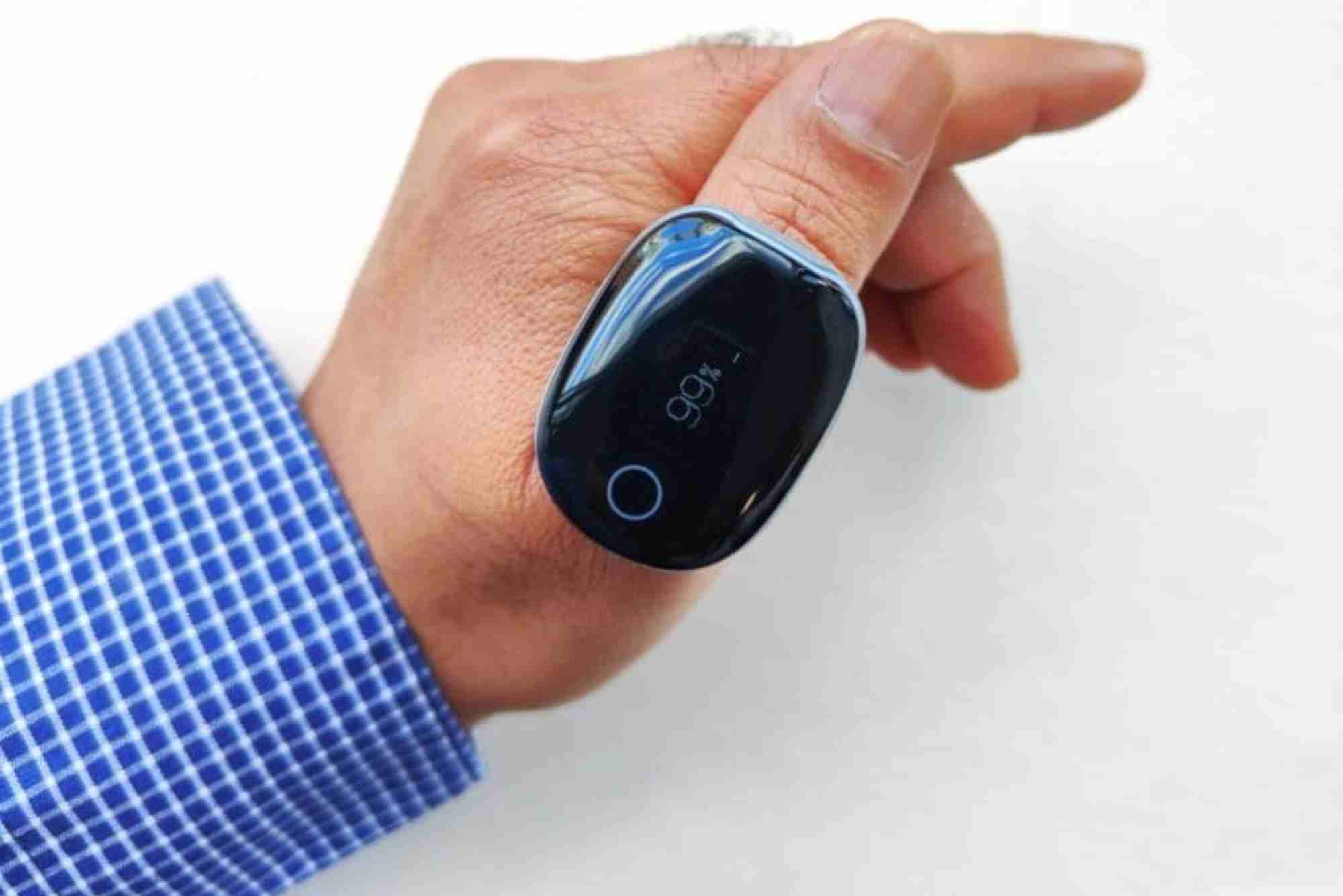
Third-party validation run at the Stanford Sleep Medicine Center found the device’s SpO₂ mean absolute error 2.1 % versus FDA-cleared Masimo MightySat Rx, matching the accuracy of the Apple Watch Series 7 (2.2 %) while delivering 6× more nightly data points thanks to the ring’s optical wrap-around sensor.
For sleep staging, epoch-by-epoch agreement with polysomnography reached κ = 0.66, outperforming wrist-worn competitors and meeting the clinical “acceptable” threshold set by the American Academy of Sleep Medicine for unattended sleep tracking.


Market demand is rising fast: the global pulse-oximeter segment is projected to grow 7 % annually through 2030, fueled by 74 % of U.S. adults who now say they want “hospital-grade” metrics at home, according to a 2025 Medi-Tech Insights survey.
Meanwhile, peer-reviewed studies link untreated nocturnal oxygen desaturation to a 28 % increase in cardiovascular events within five years, driving insurers to expand reimbursement for remote monitoring.
“Consumers no longer want snapshots—they want a movie of their night,” said Dr. Lena Cho, co-founder & CEO of NeuroRing. “By coupling second-by-second SpO₂ with memory-tracking algorithms, we give users a single score that answers two questions: Did I breathe well, and did my brain actually store what I learned today? Early beta testers improved overnight memory-retention scores 18 % after two weeks of guided breathing prompts triggered by the ring.”
About NeuroRing Inc.
Founded in 2021 by neuroscientists from Stanford and UCSF, NeuroRing is a digital-health company focused on invisible, clinical-grade sensing. The company has raised $42 million in Series A funding led by Andreessen Horowitz and holds 12 issued patents on opto-neural signal processing.
Media Contact
Sarha Al-Mansoori
Director of Corporate Communications
G42
Email: media@g42.a
Phone: +971 2555 0100
Website: www.g42.ai