Publishing content without checking technical SEO issues is one of the most common reasons websites struggle to rank. A single broken link, missing meta tag, indexing problem, or page speed issue can reduce the visibility of otherwise high-quality content. That is why using the best SEO audit tools for beginners has become an essential part of the publishing process in 2026.
Quick Answer: The best SEO audit tools for beginners in 2026 are those that automatically identify technical, on-page, and usability issues before content is published. Tools such as Screaming Frog, Ahrefs Webmaster Tools, Semrush Site Audit, SE Ranking, Sitebulb, and Google Search Console help users detect problems that could impact search performance and user experience.
Modern SEO is no longer limited to keywords and backlinks. Search engines evaluate site structure, mobile usability, page speed, internal linking, crawlability, metadata quality, and content relevance. A reliable audit tool acts as an early warning system, helping website owners fix issues before they affect rankings.
Why SEO Audits Matter Before Publishing Content
Many beginners focus entirely on writing articles and forget that search engines must first crawl, understand, and index those pages correctly. Technical errors can prevent content from reaching its full ranking potential regardless of quality.
An SEO audit performed before publication helps identify:
- Broken internal and external links
- Missing title tags and meta descriptions
- Duplicate content concerns
- Indexing and crawlability problems
- Slow page loading speeds
- Mobile usability issues
- Poor internal linking structures
- Missing image optimization opportunities
Businesses that invest in digital growth often combine audits with broader optimization efforts. For example, companies exploring digital marketing strategies frequently begin with a complete SEO health assessment before scaling content production.


What Makes an SEO Audit Tool Beginner-Friendly?
Not every SEO platform is suitable for beginners. Some enterprise-level solutions provide extensive data but overwhelm new users with advanced reports and technical terminology.
The most useful beginner tools typically offer:
| Feature | Why It Matters |
|---|---|
| Easy Dashboard | Helps users understand issues quickly |
| Priority Scoring | Shows which problems need immediate attention |
| Visual Reports | Makes technical SEO easier to interpret |
| Actionable Recommendations | Provides clear solutions instead of raw data |
| Automated Crawls | Saves time by scanning websites automatically |
| Content Analysis | Improves on-page optimization before publishing |
The ideal tool should help users move from problem detection to problem resolution without requiring advanced technical expertise.
Best SEO Audit Tools for Beginners in 2026
1. Google Search Console
Google Search Console remains one of the most valuable free SEO tools available. Since the data comes directly from Google, it offers insights that third-party platforms cannot fully replicate.
Beginners can monitor indexing status, page experience signals, mobile usability reports, search performance metrics, and crawl errors from a single dashboard.
It is particularly useful for verifying whether newly published content is discoverable by search engines.
For website owners learning the fundamentals of search visibility, resources explaining SEO and its different types can help provide additional context for the reports shown inside Search Console.
2. Screaming Frog SEO Spider
Screaming Frog has evolved from a technical SEO crawler into a comprehensive website auditing solution.
It scans websites similarly to how search engine bots crawl pages and identifies issues such as:
- Broken links
- Redirect chains
- Duplicate titles
- Missing metadata
- Orphan pages
- Large image files
Although the interface appears technical at first, beginners can quickly learn how to interpret the reports with practice.
3. Ahrefs Webmaster Tools
Ahrefs Webmaster Tools offers many premium auditing capabilities at no cost for verified website owners.
The platform generates an overall health score and highlights technical problems according to severity. Beginners especially appreciate the clear explanations provided for each issue.
The audit reports include:
- Crawl diagnostics
- Indexability analysis
- Performance recommendations
- Internal linking opportunities
- Structured data validation
This makes it an excellent entry point for users who want enterprise-level insights without a steep learning curve.
4. Semrush Site Audit
Semrush continues to be one of the most comprehensive SEO platforms available.
Its Site Audit feature provides visual reports that classify issues as errors, warnings, or notices. This prioritization helps beginners focus on the most impactful fixes first.
The platform is particularly effective at identifying:
- HTTPS issues
- Core Web Vitals concerns
- Duplicate content risks
- Internal linking weaknesses
- Crawl budget inefficiencies
Many marketers use Semrush audits alongside content planning and keyword research workflows.
5. SE Ranking Website Audit
SE Ranking has gained popularity because of its user-friendly interface and affordable pricing.
Its audit tool simplifies technical SEO by presenting issues in an understandable format. Instead of overwhelming users with jargon, it focuses on practical recommendations.
Key strengths include:
- Clear visual reporting
- On-page analysis
- Page speed monitoring
- Mobile SEO checks
- Content optimization suggestions
For beginners managing smaller websites or blogs, SE Ranking offers an excellent balance between simplicity and functionality.
6. Sitebulb
Sitebulb is known for transforming complex SEO data into visual insights.
Its interactive reports help users understand website architecture, crawl depth, and internal linking patterns more easily than many traditional tools.
Rather than simply listing problems, Sitebulb explains why those issues matter and how they affect search visibility.
This educational approach makes it especially valuable for beginners who want to improve their SEO knowledge while auditing their websites.
Key On-Site Issues Every Audit Tool Should Detect
Before choosing a platform, it helps to understand the types of issues that genuinely affect rankings and user experience.
Missing or Weak Metadata
Title tags and meta descriptions remain important for search visibility and click-through rates. Good audit software identifies missing, duplicate, or poorly optimized metadata across the website.
Broken Internal Links
Broken links create poor user experiences and waste crawl resources. Effective auditing tools continuously monitor internal linking structures and highlight problematic URLs.
Slow Page Speed
Website performance remains a major ranking consideration. Modern audit tools analyze loading times, resource usage, image sizes, and Core Web Vitals metrics.
Many businesses already prioritize technical optimization alongside development efforts such as web application development because performance affects both users and search engines.
Indexing Problems
Pages blocked by robots.txt, incorrect canonical tags, or noindex directives can disappear from search results. A quality audit tool should detect these issues immediately.
Mobile Experience Issues
With mobile-first indexing now standard, websites must function flawlessly across devices. SEO audit platforms evaluate mobile responsiveness, usability, and performance indicators.
How to Audit New Content Before Publishing
A structured workflow reduces the chances of technical mistakes slipping through the publishing process.
- Create and optimize content.
- Review title tags and meta descriptions.
- Check internal linking opportunities.
- Run a page-level SEO audit.
- Test mobile usability.
- Analyze page speed metrics.
- Verify indexability settings.
- Publish and request indexing.
- Monitor Search Console performance.
Following this process helps maintain content quality and reduces avoidable SEO errors.
Free vs Paid SEO Audit Tools
| Factor | Free Tools | Paid Tools |
|---|---|---|
| Cost | No investment required | Monthly subscription |
| Crawl Limits | Usually restricted | Higher limits |
| Technical Insights | Basic reporting | Advanced diagnostics |
| Automation | Limited | Comprehensive |
| Historical Data | Minimal | Detailed tracking |
| Support | Community resources | Dedicated support |
For most beginners, starting with Google Search Console and a free audit platform is sufficient. As websites grow, investing in premium tools becomes easier to justify.
Common SEO Audit Mistakes Beginners Make
- Ignoring warnings because rankings appear stable
- Focusing only on keywords and backlinks
- Failing to review mobile performance
- Overlooking internal linking opportunities
- Not auditing content before publishing
- Ignoring crawl and indexing reports
- Relying on a single tool for all insights
SEO audits work best when multiple sources of data are combined. Search Console, crawling software, and content optimization tools each reveal different aspects of website health.
The Future of SEO Auditing in 2026
SEO auditing is becoming increasingly proactive rather than reactive. Modern platforms are beginning to use AI-assisted diagnostics that predict issues before they impact rankings.
Instead of simply reporting errors, newer systems recommend fixes, estimate impact, and prioritize tasks automatically.
Many SEO professionals also combine traditional audits with advanced testing methods. For example, concepts discussed in exploratory testing workflows are influencing how technical teams identify website performance and functionality issues before deployment.
Additional best practices and industry guidelines can be reviewed here: [Insert relevant reference link here]
Conclusion
The best SEO audit tools for beginners are the ones that simplify technical SEO while still delivering meaningful insights. In 2026, tools such as Google Search Console, Screaming Frog, Ahrefs Webmaster Tools, Semrush Site Audit, SE Ranking, and Sitebulb make it easier than ever to identify problems before content goes live.
Running an audit before publishing helps prevent indexing issues, metadata errors, broken links, mobile usability problems, and page speed concerns. Whether managing a blog, business website, or growing online brand, making SEO audits part of the publishing workflow can improve visibility, user experience, and long-term search performance.
Frequently Asked Questions
Which SEO audit tool is best for complete beginners?
Google Search Console is the best starting point because it is free, easy to use, and provides data directly from Google.
How often should I perform an SEO audit?
Most websites benefit from a full audit at least once per month, while larger sites may require weekly monitoring.
Can free SEO audit tools be effective?
Yes. Many free tools identify critical technical issues, although paid platforms typically provide deeper analysis and automation.
Should content be audited before publishing?
Absolutely. Pre-publication audits help catch technical and on-page issues that could limit search visibility.
Do SEO audit tools improve rankings automatically?
No. Audit tools identify issues, but rankings improve only after the recommended fixes are implemented.
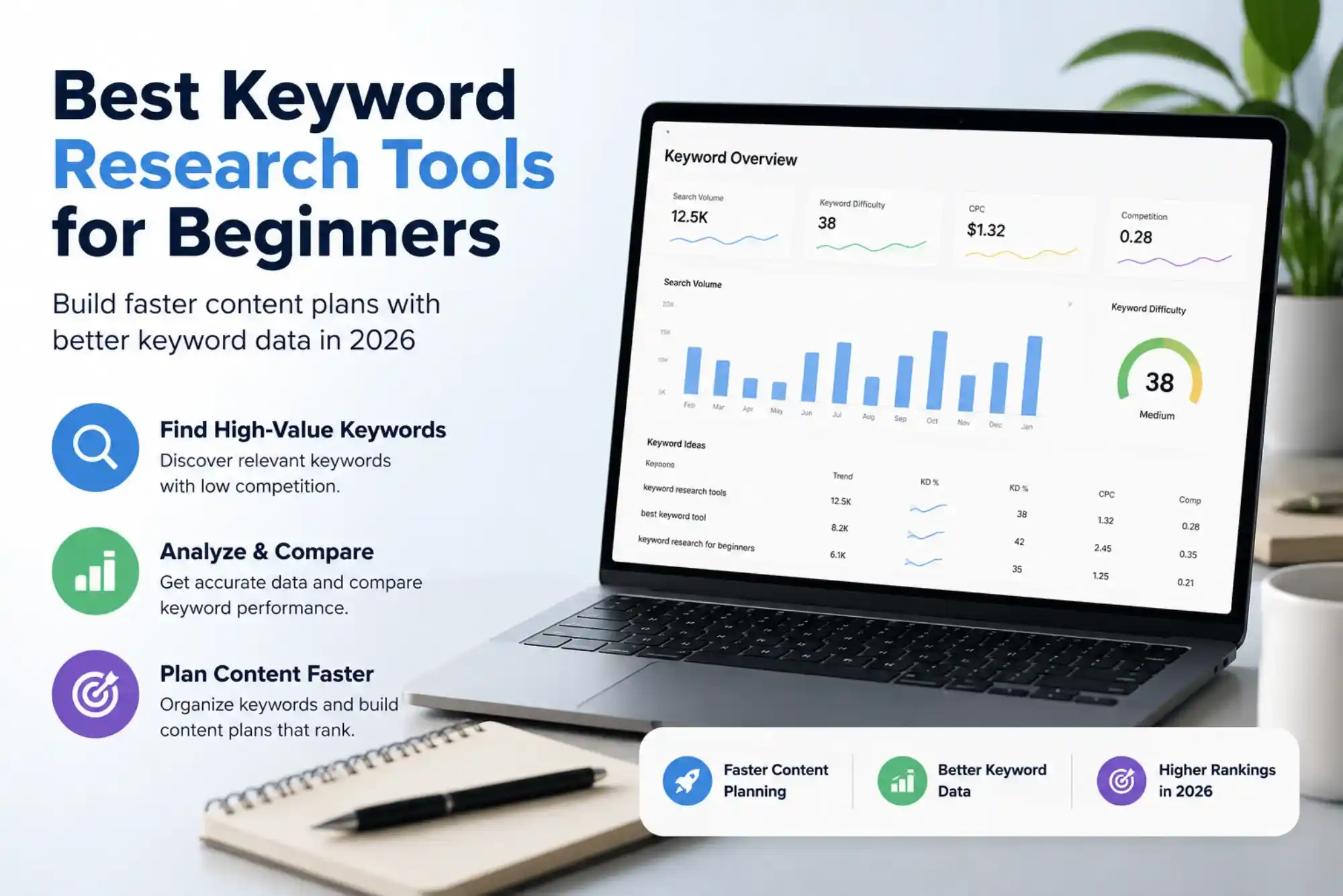
Related Reading: Best Keyword Research Tools for Beginners building faster content plans with better keyword data in 2026
Related Reading: Hiring an Audit Firm in Business Bay: What to Ask Before You Sign
Related Reading: Home Décor Label Releases Biodegradable Packaging and Refill Program
Related Reading: What Are SEO Tools for Beginners and Which Features Matter Most in 2026?